Big Ideas,
Real Impact.
Driven by curiosity and built on purpose, this is where bold thinking meets thoughtful execution.
-
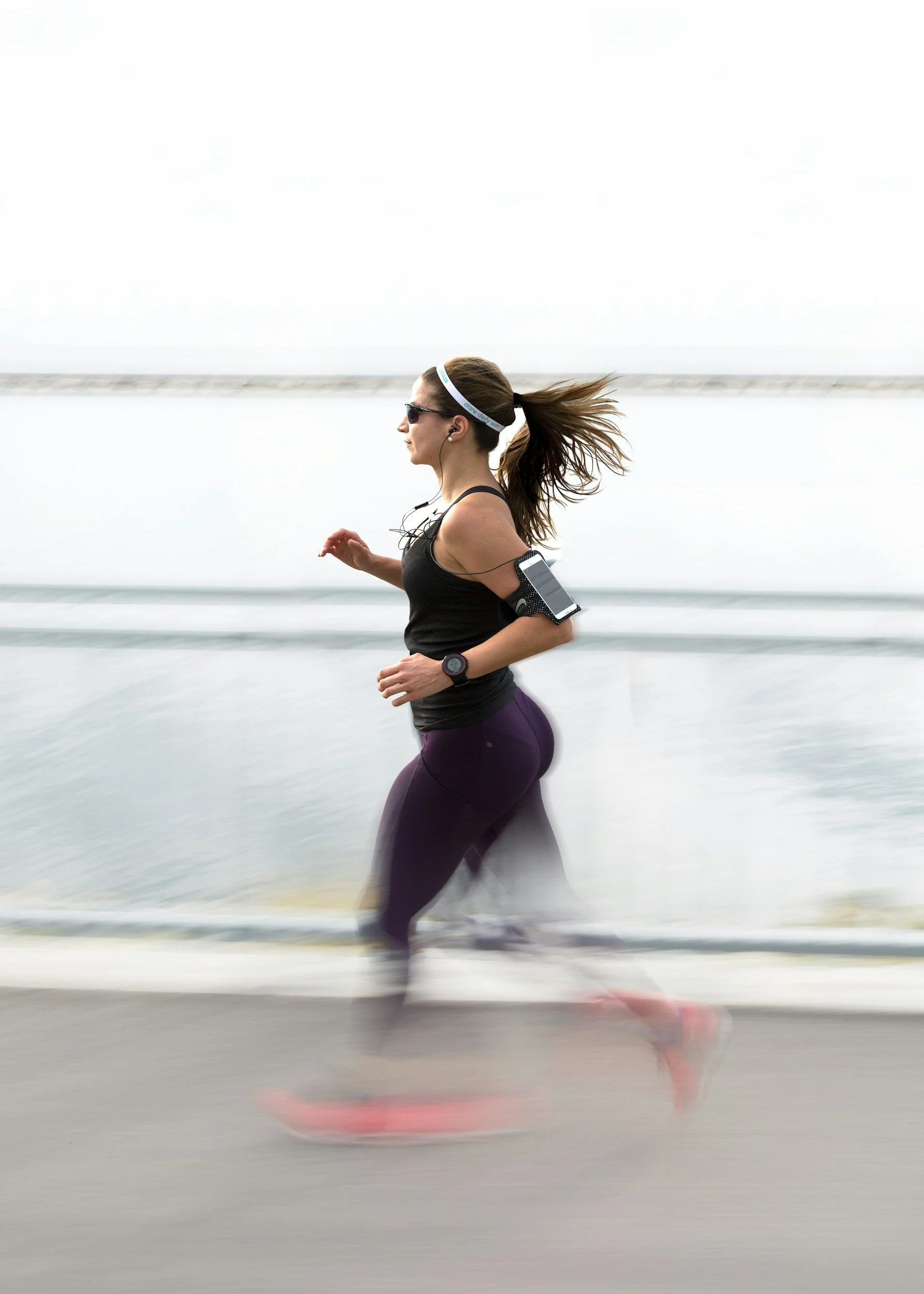
Movement.
-
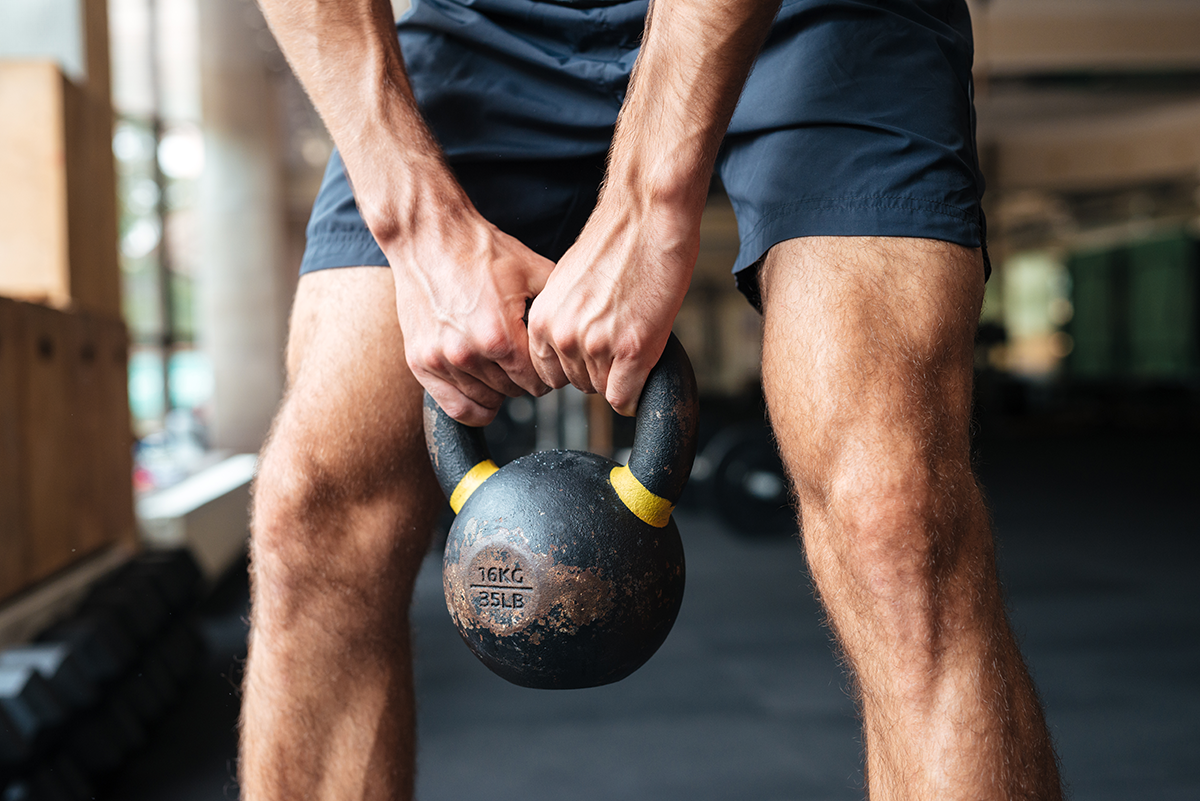
Strength.
-

Flexabilty.
-

Nutrition.
-
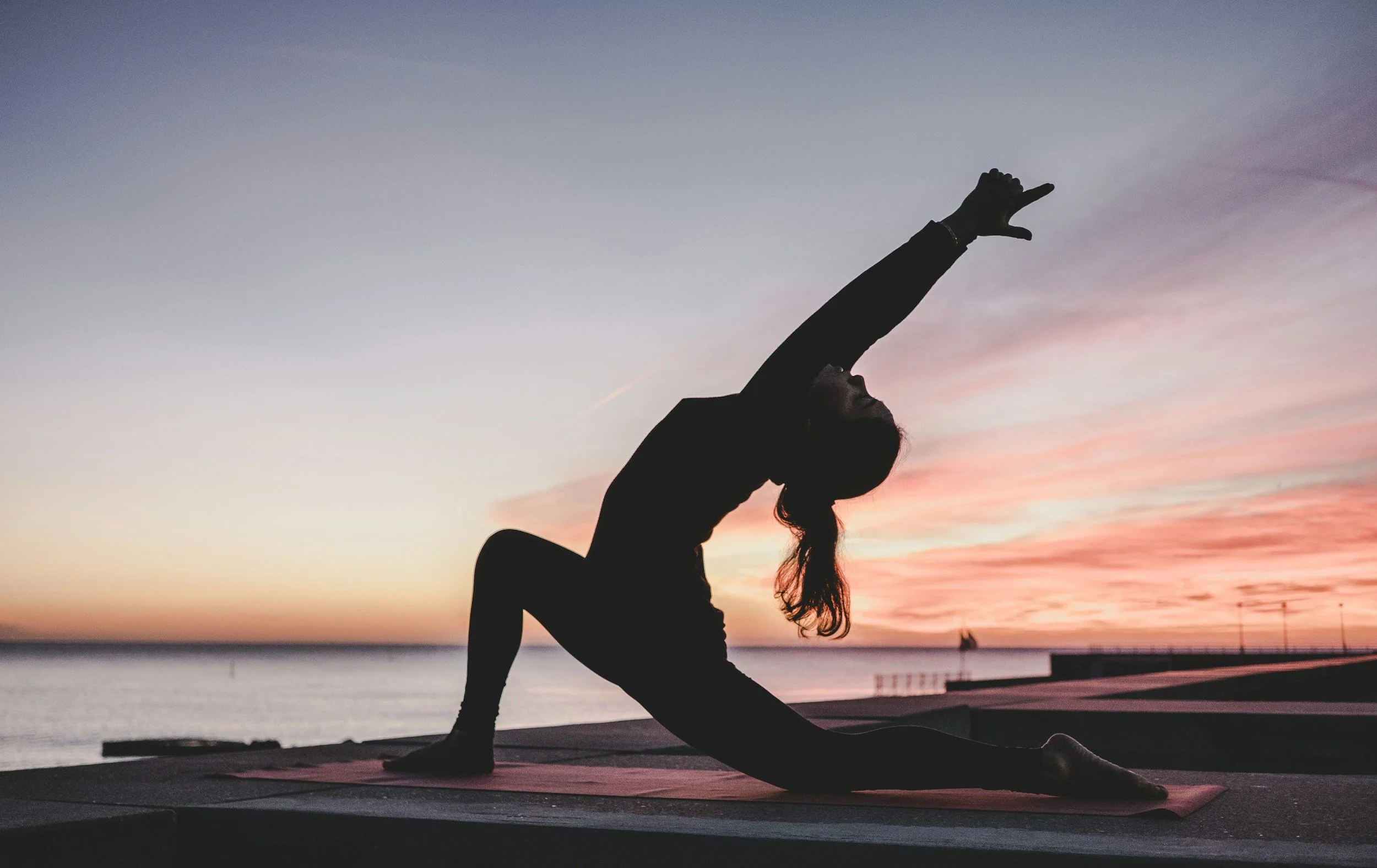
Yoga.
-
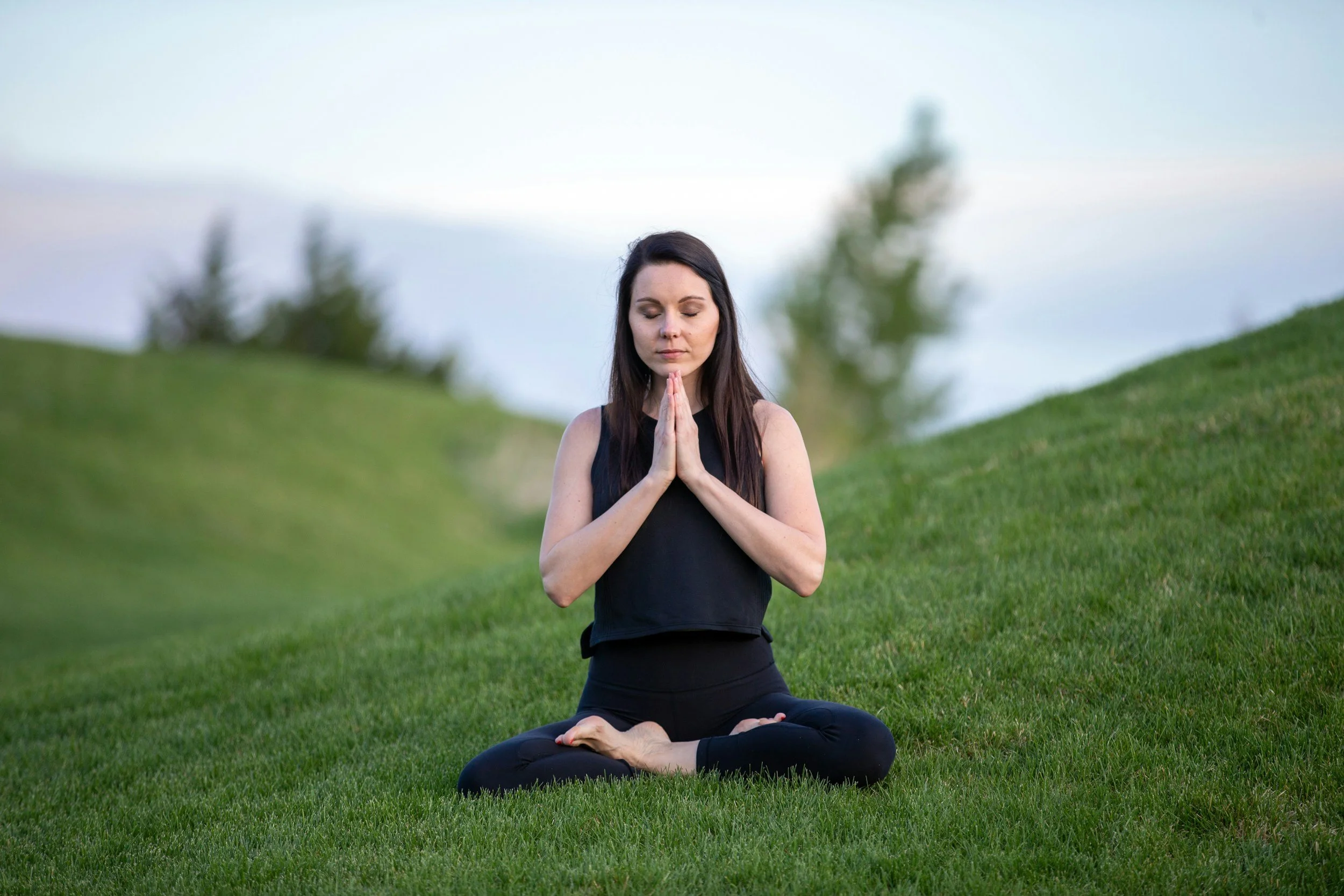
Breathing.
-
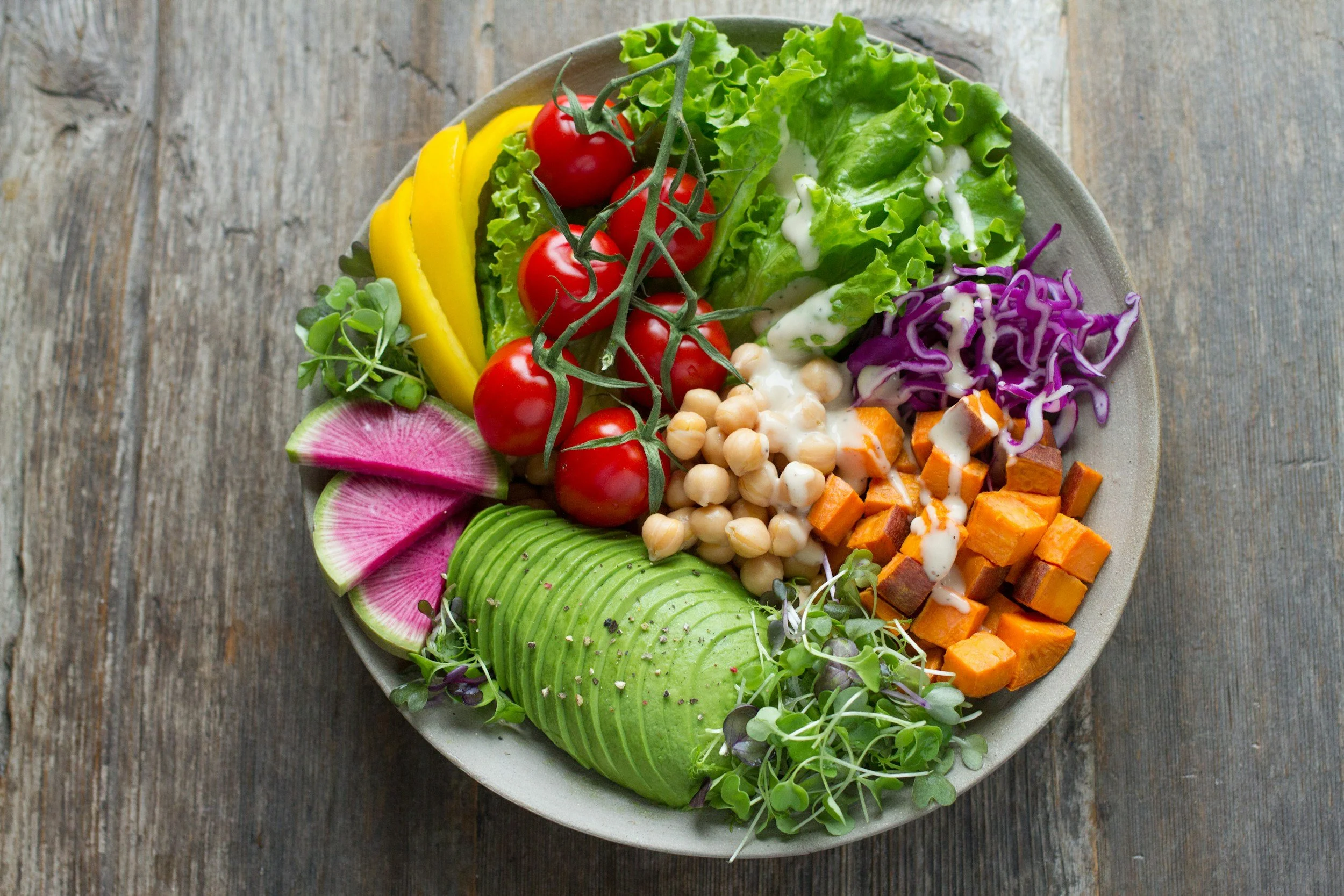
Cuisine.
-

Sleep.
-
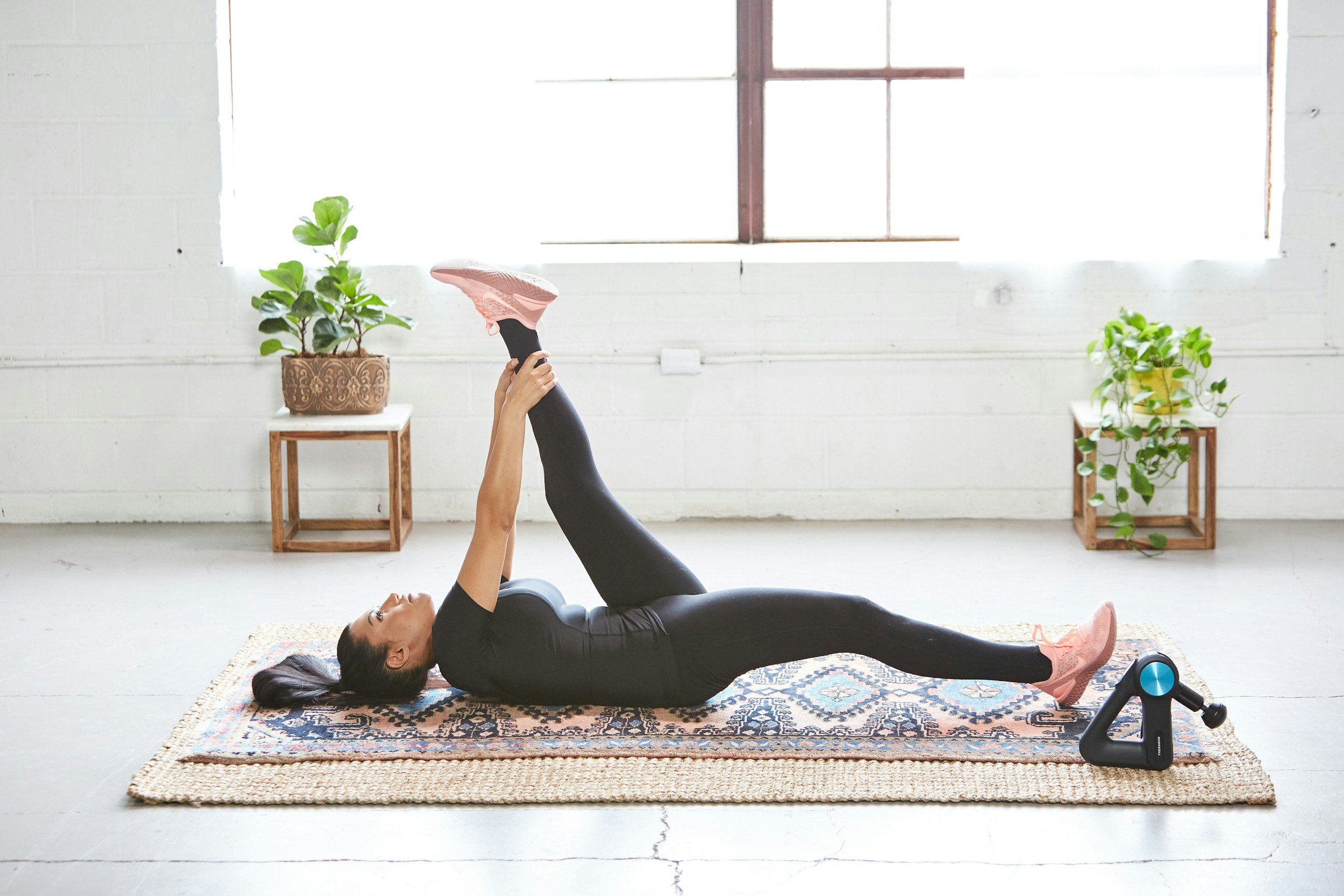
Recovery.
-
Pain Prevention.
-
Motivation.
-
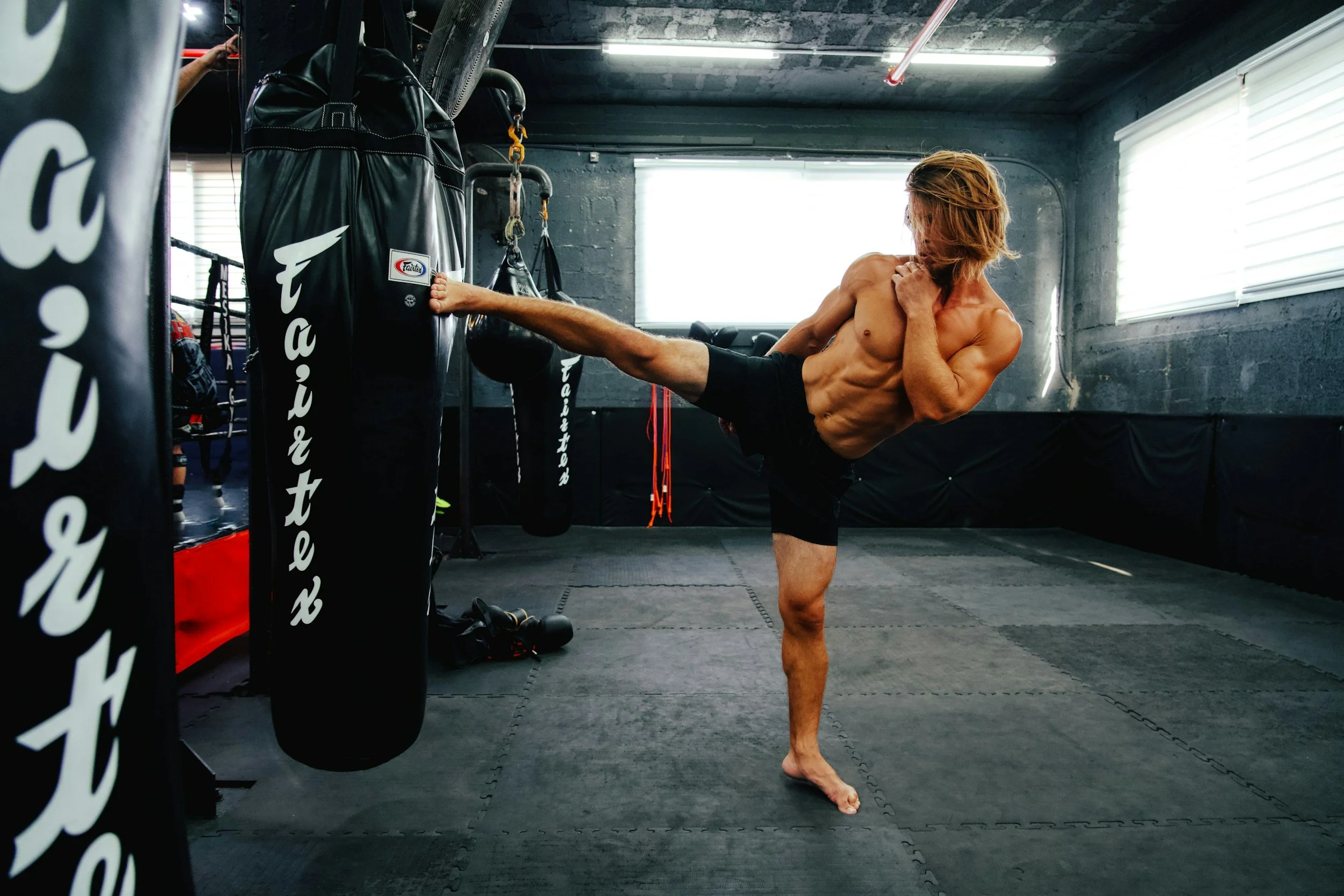
Habits.
Our Experts
-

Sarah Davis
-

Ashley Napoli
-
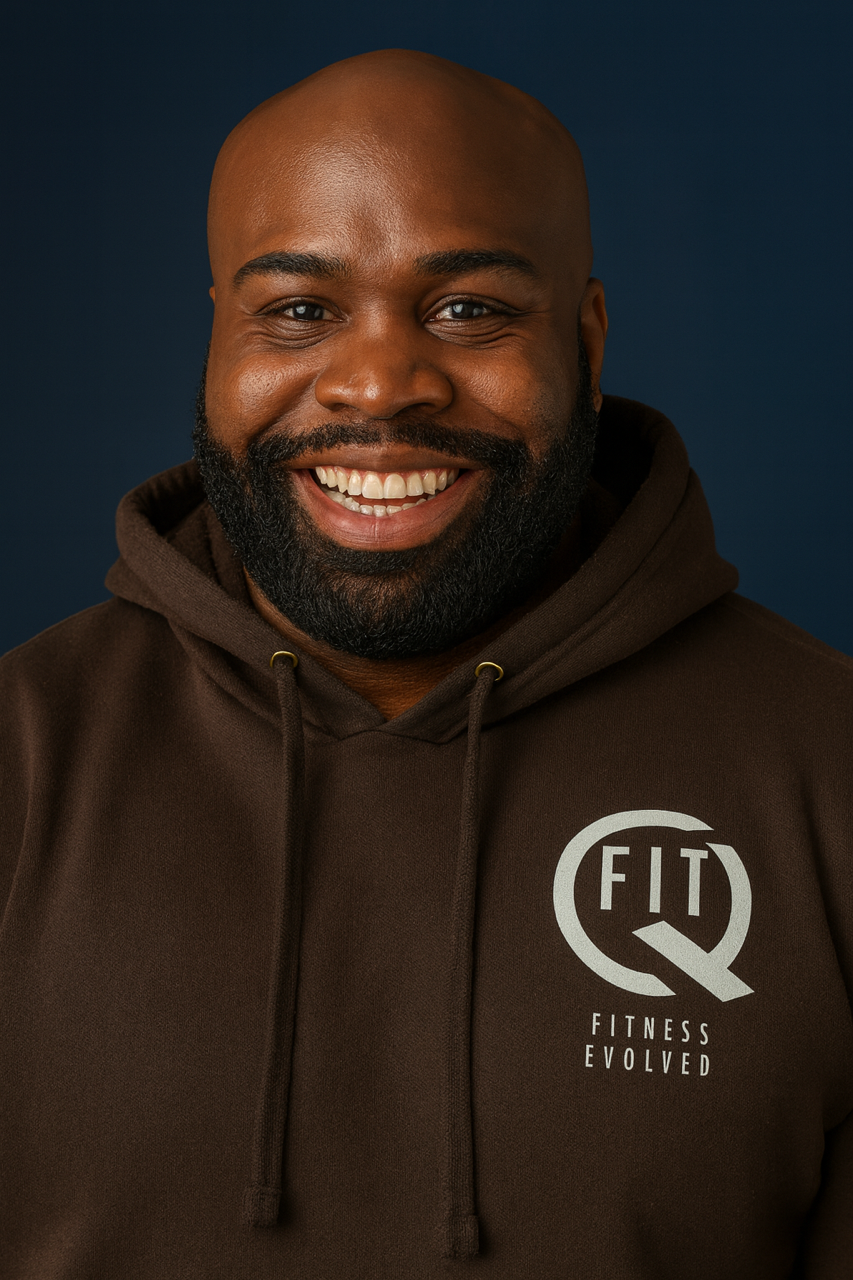
Quavon Reede
-
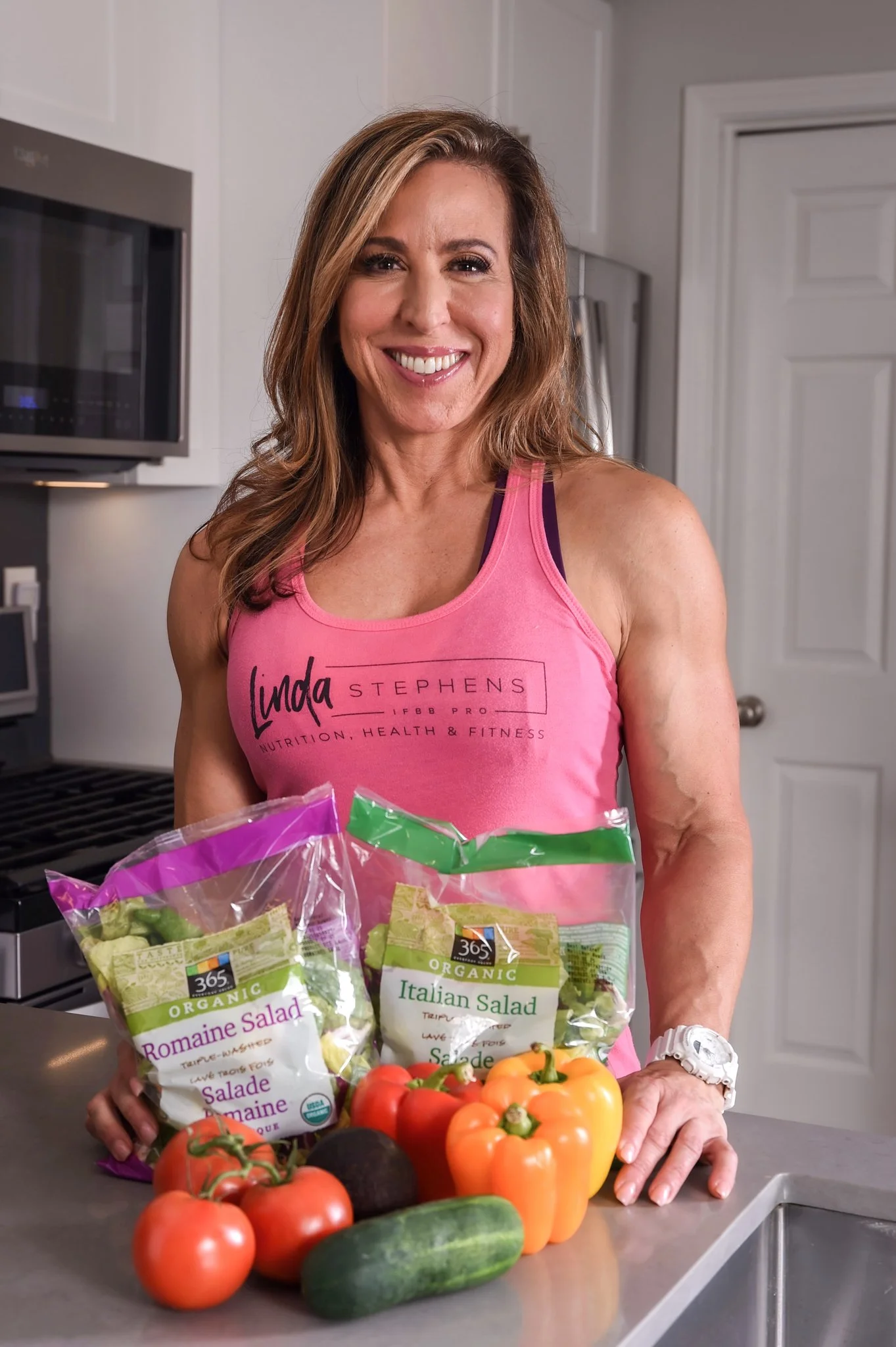
Linda Stephens
The Counterintuitive Cure
By Thomas Murphy
Why the Move You're Avoiding May Be the One Your Body Needs Most
Do your knees ache after climbing stairs? Does your lower back tighten after sitting all day? Are your hips stiff before you've even had your morning coffee?
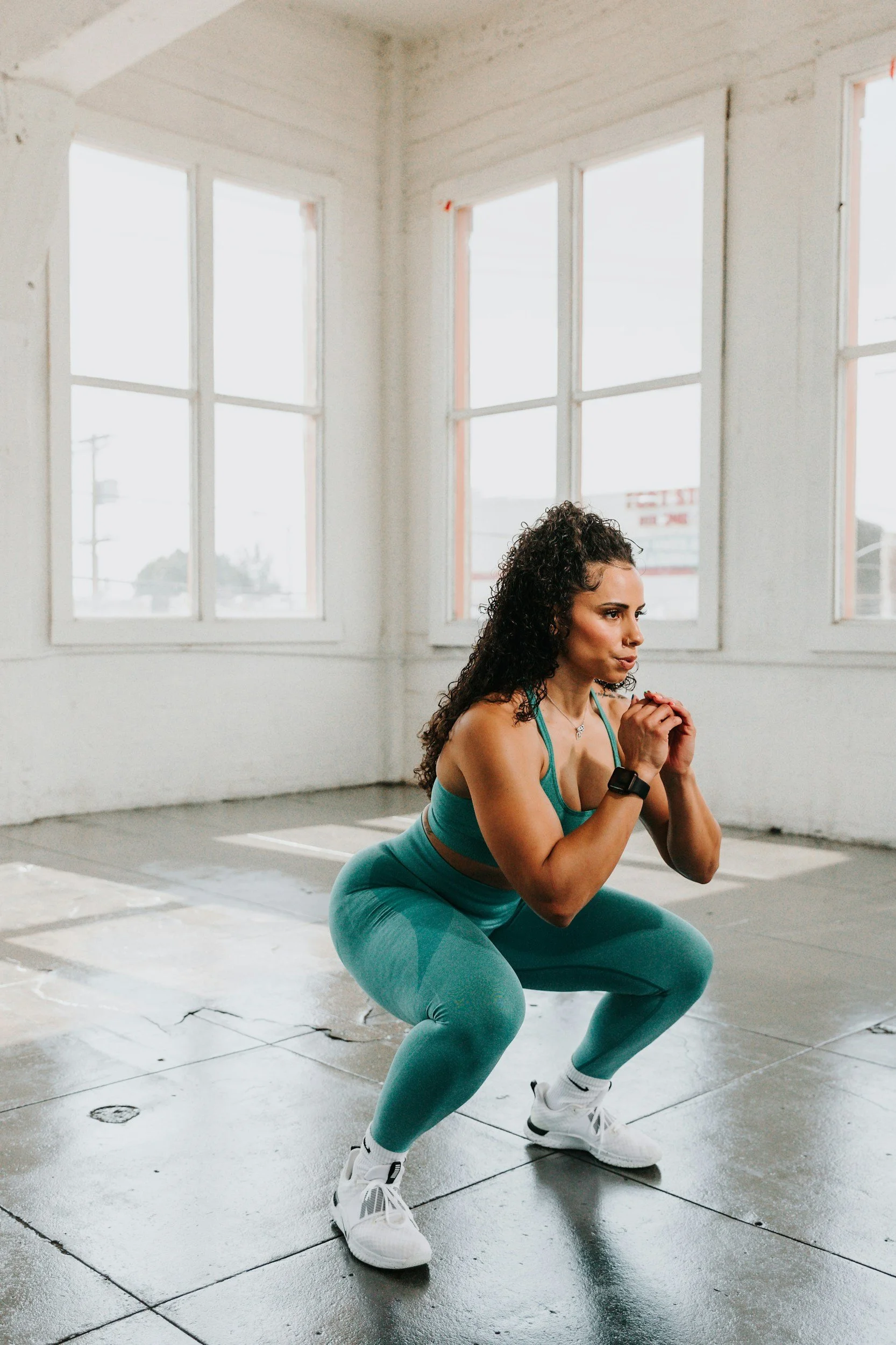
Many people assume squats are the last exercise they should do if they're dealing with joint pain. But according to yoga instructors, strength coaches, and wellness experts, the opposite is often true. When performed correctly, squats help restore one of the body's most natural movement patterns while strengthening the muscles that support the knees, hips, and lower back.
To learn why this timeless movement remains one of the best exercises for overall health, we spoke with yoga instructor Ashley Napoli of Living Lotus Yoga in Larchmont, NY, strength and mobility coach Quavon Reede of Q-Fit in Greenwich, CT, and midlife wellness coach Linda Stephens of Darien, CT. Although they come from different disciplines, they all agree: the squat is one of the most valuable movements a person can master.
Why We've Forgotten How to Squat
For thousands of years, humans naturally rested in deep squats. Today, many of us spend eight or more hours every day sitting in chairs.That shift has consequences.Extended sitting tightens the hips and ankles, weakens the glutes and core, and limits mobility.
Eventually, even everyday tasks like lifting groceries or getting off the floor become harder because the body has lost an essential movement pattern.Rather than bending through the hips and legs, many people compensate by rounding their backs, increasing stress on the spine.
Yoga's Answer: Malasana
In yoga, the deep squat is known as Malasana, or Garland Pose.Rather than rushing through repetitions, practitioners hold the position while focusing on posture and steady breathing.
"Malasana isn't about forcing your body into a rigid shape," says Ashley Napoli. "It's about meeting your body where it is today."
Napoli often uses yoga blocks or other supports so beginners can safely experience the pose.She's seen remarkable changes."I've watched clients arrive completely locked up with chronic lower back pain.
When they finally become comfortable in Malasana, it's like watching a tightly wound coil unwind. They don't just become more flexible—they move, stand, and breathe with greater ease."
Strength That Carries Into Everyday Life
Strength coach Quavon Reede hears one concern more than any other: "People tell me they can't squat because their knees hurt. My answer is usually that they can't afford not to squat."
Instead of immediately adding weight, Reede begins with assisted squats, bodyweight squats, or box squats. As strength and mobility improve, clients regain confidence in movements they once avoided.
For Reede, the biggest victories happen outside the gym."The proudest moments aren't personal records. They're when a 62-year-old tells me, 'I can finally get off the living room floor without holding onto the couch.' That's the power of proper squat progression—it gives people their freedom back."
Why Squats Become Even More Important With Age
Maintaining muscle and bone strength becomes increasingly important during midlife, particularly for women experiencing hormonal changes.Linda Stephens considers the squat one of the most effective exercises for preserving long-term health."
As hormones change, we naturally lose muscle and bone density," she explains. "Compound movements like squats help preserve strength, improve balance, and support long-term independence." She's witnessed firsthand how strength training changes the aging process.
"Society tells women that slowing metabolism and fading strength are inevitable, but I see clients rewrite that story every day. When a woman embraces the goblet squat, she isn't just building stronger legs—she's increasing bone density, improving vitality, and becoming more resilient."
One Exercise, Full-Body Benefits
Unlike exercises that isolate a single muscle group, squats train the body to work as one coordinated system.
Benefits include:
Stronger core and lower back muscles
More powerful glutes and hips Improved knee stability
Better ankle mobility and balance
Greater ease with everyday activities such as lifting, climbing stairs, and standing from a chair
The key isn't lifting heavy—it's moving well.
Start Where You Are
You don't need a barbell to enjoy the benefits.A simple progression works for nearly everyone:
Beginner: Supported Malasana or assisted squat to improve flexibility and balance.
Intermediate: Bodyweight squats to develop strength and movement control.
Advanced: Goblet squats using a dumbbell or kettlebell to build functional strength while reinforcing proper technique.
Mastering body position before adding weight is the safest and most effective path to long-term success.
The Bottom Line
Fitness trends come and go, but the squat has endured because it mirrors the way the human body was designed to move.
Whether your goal is to relieve stiffness, build strength, improve athletic performance, or simply stay active as you age, learning to squat well can pay dividends for decades.
Sometimes the movement we fear the most is the one that helps us feel stronger, healthier, and more capable than ever
.
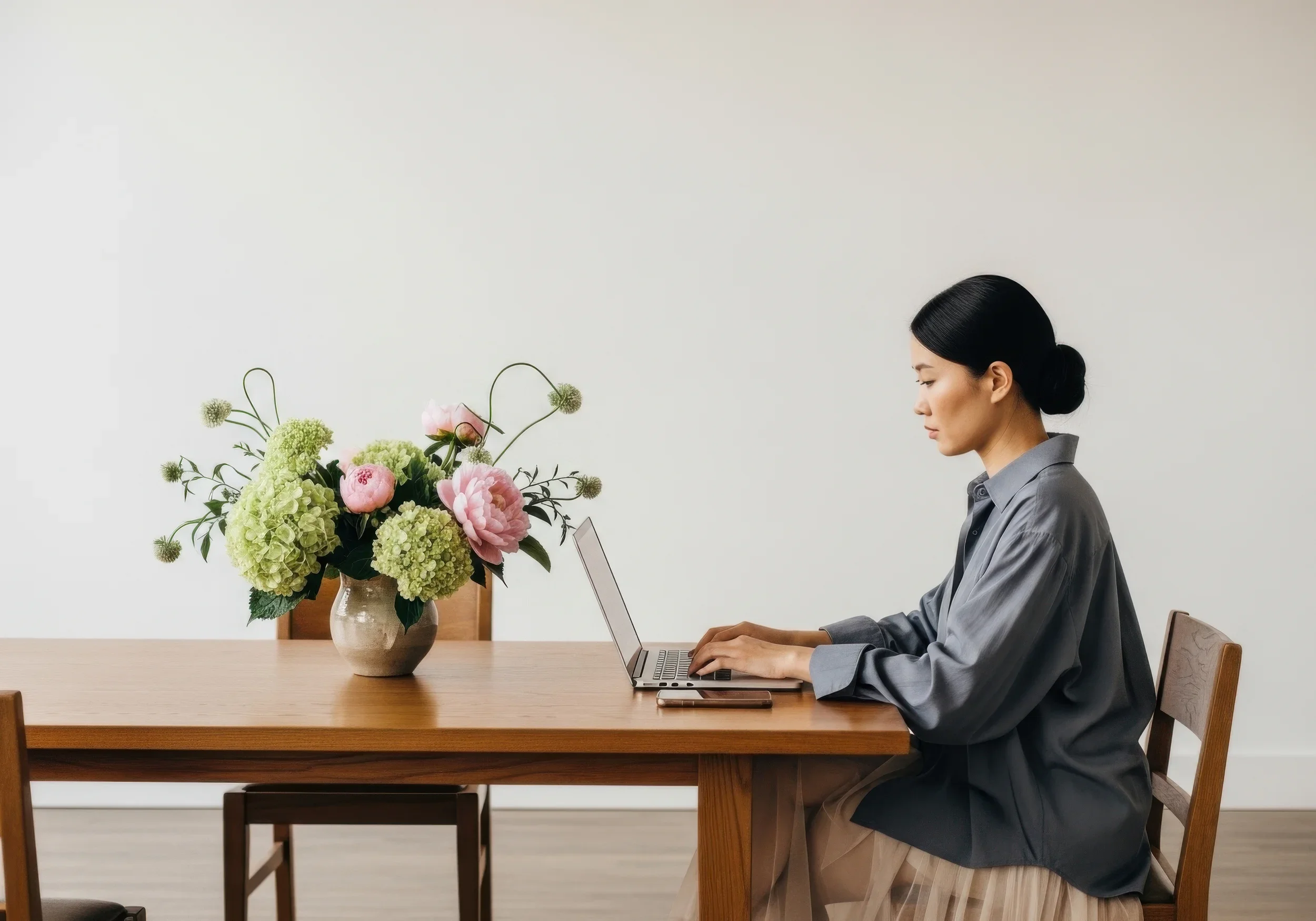
8 Essential Body Weight Moves
Squat. Plank. Push. Hang. Pull. Jump. Carry. Move.
Master these, and you build a body that moves better, feels stronger, and handles life with more confidence.
Squats
Squats are a fundamental bodyweight exercise where you bend at the hips, knees, and ankles to lower your body, then stand back up.
They strengthen the legs, glutes, hips, core, and lower back, while also improving balance, mobility, and everyday function.
A squat is a natural movement pattern that trains the body to sit, stand, lift, and move with strength and control.
Squats are not just an exercise. They are a foundation of functional strength — helping us stay powerful, mobile, and independent throughout life.
Beginner, Intermediate and Advanced Routines are available to our subscribers.
Quavon Reede: Squats
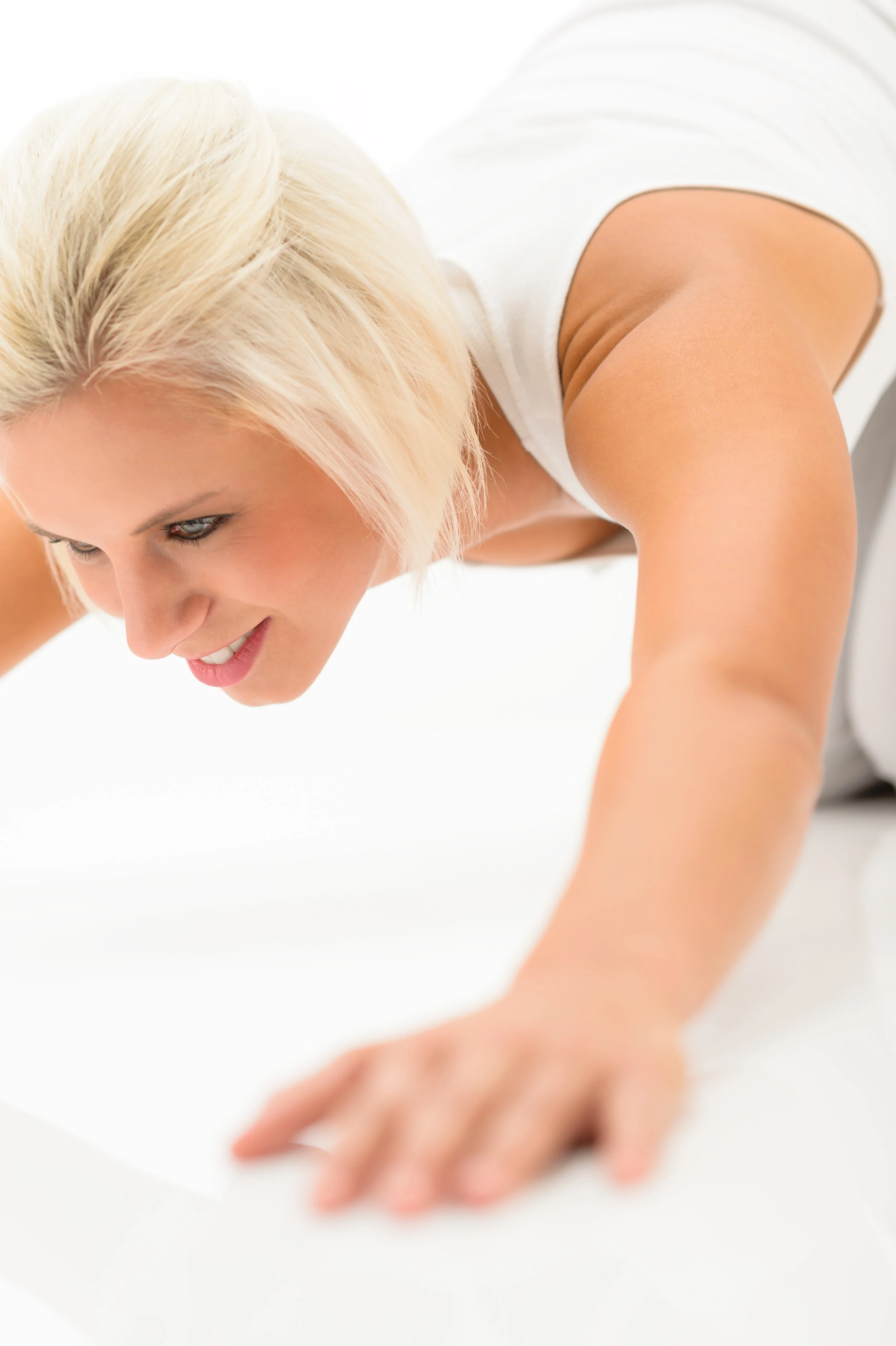
Planks are a core-strengthening exercise where you hold your body in a straight, stable position, usually supported by your forearms or hands and toes.
They strengthen the abdominals, back, shoulders, hips, and glutes, while improving posture, balance, and stability.
A simple definition:
A plank is an exercise that trains the body to stay strong, steady, and aligned.
Planks are not just about holding still. They build the core strength and stability that support every movement we make.
Beginner, Intermediate and Advanced Routines are available to our subscribers.
Ashley Napoli: Malasana
Ashley Napoli: Planks
Planks
Q Planks
Benefits of Push-Ups
Push-ups are one of the best bodyweight exercises because they train several muscles at once and require no equipment.
Main benefits:
Builds upper-body strength
Push-ups strengthen the chest, shoulders, triceps, and upper back.
Improves core stability
A good push-up is also a moving plank. Your abs, hips, and lower back work to keep your body straight.
Supports better posture
Strengthening the chest, shoulders, and core can help improve posture and shoulder control.
Boosts functional strength
Push-ups train the kind of strength you use in daily life: pushing yourself up, lifting, carrying, and bracing.
Can improve confidence
They are easy to measure. Going from 2 push-ups to 10 or 20 builds a real sense of progress.
Protects joints when done correctly
Strong shoulders, arms, and core muscles can help support the shoulder and elbow joints.
Simple beginner goal
Start with wall push-ups or incline push-ups on a bench or counter.
Ashley Napoli: Planks
Push-ups
Ashley Napoli: Planks
-
Do this routine 3 days per week, with a rest day between sessions.
Warm-Up: 2–3 Minutes
March in place, roll your shoulders, gently twist side to side, and take a few deep breaths.
Routine
1. Wall Plank
Place your hands on a wall, step your feet back, and keep your body straight.
Hold: 20–30 seconds
Rest: 30 seconds
Repeat: 2 times2. Incline Plank
Place your hands on a sturdy bench, chair, or countertop. Keep your shoulders over your hands and your body in one straight line.
Hold: 15–20 seconds
Rest: 30 seconds
Repeat: 2 times3. Knee Plank
Start on the floor with your elbows under your shoulders and your knees down. Keep your hips low and your core gently tight.
Hold: 10–20 seconds
Rest: 30–45 seconds
Repeat: 2 times4. Full Plank Practice
Try a regular plank from your toes. Stop before your hips sag.
Hold: 5–10 seconds
Rest: 45 seconds
Repeat: 2 timesBeginner Goal
Work toward holding a good plank for 30 seconds with proper form.
Good form matters more than time.
Key Form Tips
Keep your body straight from head to heels.
Pull your belly button gently toward your spine.
Do not let your hips sag or lift too high.
Breathe slowly and steadily.
Keep your neck relaxed and eyes looking slightly ahead.Progression
When this feels easy, increase each hold by 5 seconds.
A strong plank builds core strength, posture, balance, and confidence.
-
Do this routine 3–4 days per week, with rest or lighter core work between sessions.
Warm-Up: 3–5 Minutes
March in place, do shoulder rolls, arm circles, gentle torso twists, and a few cat-cow stretches.
Routine
1. Forearm Plank
Keep elbows under shoulders, legs straight, and body in one strong line.
Hold: 30–45 seconds
Rest: 30 seconds
Repeat: 3 times2. High Plank
Start in a push-up position with hands under shoulders. Keep your core tight and avoid letting your hips sag.
Hold: 30–45 seconds
Rest: 30 seconds
Repeat: 3 times3. Side Plank
Lie on one side with elbow under shoulder. Lift hips and keep your body straight.
Hold: 20–30 seconds per side
Rest: 30 seconds
Repeat: 2 times per side4. Plank Shoulder Taps
From a high plank, tap one shoulder with the opposite hand. Keep hips as still as possible.
Reps: 10–16 total taps
Rest: 30–45 seconds
Repeat: 2–3 times5. Plank Knee Drives
From a high plank, slowly bring one knee toward your chest, then return. Alternate sides.
Reps: 10–12 per side
Rest: 45 seconds
Repeat: 2 timesFinisher: Plank Hold
Choose your best plank position — forearm or high plank.
Hold: 45–60 seconds
Repeat: 1 timeIntermediate Goal
Build toward holding a clean plank for 60 seconds while also controlling movement during shoulder taps and knee drives.
Key Form Tips
Keep your ribs pulled down and core engaged.
Do not let your lower back sag.
Keep shoulders strong but not tense.
Breathe steadily throughout each hold.
Move slowly and with control.Intermediate plank training builds core strength, shoulder stability, posture, and mental toughness.
-
Do this routine 3–4 days per week. Focus on control, alignment, and quality over speed.
Warm-Up: 5 Minutes
Do arm circles, shoulder rolls, cat-cow stretches, hip circles, torso twists, and light mountain climbers.
Routine
1. Forearm Plank Hold
Keep elbows under shoulders, legs straight, glutes engaged, and body in one strong line.
Hold: 60–90 seconds
Rest: 30–45 seconds
Repeat: 3 times2. High Plank Shoulder Taps
From a push-up position, tap one shoulder with the opposite hand while keeping your hips still.
Reps: 20–30 total taps
Rest: 30–45 seconds
Repeat: 3 times3. Side Plank with Hip Dips
Start in a side plank. Lower your hips slightly, then lift them back up.
Reps: 10–15 per side
Rest: 30 seconds
Repeat: 2–3 times per side4. Plank Knee-to-Elbow
From a high plank, bring one knee toward the same-side elbow, then return. Alternate sides.
Reps: 10–15 per side
Rest: 45 seconds
Repeat: 3 times5. Plank Walkouts
Start standing, hinge forward, walk your hands out to a high plank, hold briefly, then walk back.
Reps: 8–10
Rest: 45–60 seconds
Repeat: 3 times6. Plank Jacks
From a high plank, jump both feet out and in while keeping your upper body steady.
Reps: 20–30
Rest: 45 seconds
Repeat: 2–3 timesFinisher: Plank Ladder
Complete the following with short rest between each:
30 seconds forearm plank
30 seconds right side plank
30 seconds left side plank
30 seconds high plank
30 seconds forearm plankAdvanced Goal
Build toward 2 minutes of clean plank control and strong movement without letting your hips sag, twist, or lift too high.
Key Form Tips
Keep your core tight and ribs pulled down.
Squeeze your glutes to protect your lower back.
Press the floor away through your shoulders.
Move slowly and with control.
Stop if your form breaks.Advanced planks build core power, shoulder stability, balance, endurance, and mental toughness.
Planks are a core-strengthening exercise where you hold your body in a straight, stable position, usually supported by your forearms or hands and toes.
They strengthen the abdominals, back, shoulders, hips, and glutes, while improving posture, balance, and stability.
A simple definition:
A plank is an exercise that trains the body to stay strong, steady, and aligned.
Planks are not just about holding still. They build the core strength and stability that support every movement we make.
Ashley Napoli: Planks
Pull
Ashley Napoli: Planks
-
Beginner Bar Hang Routine
Do this 2–3 days per week, with at least one rest day between sessions.
Warm-Up
Do 3–5 minutes:
Shoulder rolls
Arm circles
Wrist circles
Cat-cow stretch
Easy wall push-upsRoutine
1. Assisted Dead Hang
Hold the bar with both hands.
Keep your feet lightly on the floor, box, or bench.
Let your arms straighten, but stay controlled.
3 sets of 10–20 seconds
Rest 60 seconds between sets.
2. Active Shoulder Hang
From the hanging position, gently pull your shoulders down away from your ears.
Do not bend your elbows.
Hold for 2 seconds, then relax.
2 sets of 5 reps
This teaches shoulder control.
3. Grip Hold
Stand under the bar and hold it tight without fully hanging.
Squeeze the bar for:
3 rounds of 10–15 seconds
This builds grip strength safely.
Weekly Goal
Start with:
30–60 total seconds of hanging per workout
Build slowly toward:
90–120 total seconds
Form Tips
Keep your ribs down.
Brace your core gently.
Avoid swinging.
Do not force the shoulder stretch.
Stop if you feel sharp pain, numbness, or tingling.
Beginner goal
Your first goal is simple:
Hang safely, build grip, and teach your shoulders control.
-
Do this 2–3 days per week, with at least one rest day between sessions.
Warm-Up
Do 3–5 minutes:
Shoulder rolls
Arm circles
Wrist circles
Cat-cow
Scapular push-ups
Easy assisted hangsIntermediate Routine
1. Dead Hang
Hang with both hands, arms straight, body still.
3 sets of 20–40 seconds
Rest 60–90 seconds between sets.
Goal: build grip, shoulder endurance, and confidence on the bar.
2. Active Hang
From a dead hang, gently pull your shoulders down away from your ears.
Do not bend your elbows.
Hold that strong position.
3 sets of 10–20 seconds
This strengthens the shoulders and upper back.
3. Scapular Pulls
Start in a dead hang.
Pull your shoulder blades down and back slightly.
Lift your body just a little without bending your elbows.
Lower with control.
3 sets of 5–8 reps
This is a key step toward pull-ups.
4. Knee Raise Hold
Hang from the bar and slowly bring your knees up slightly.
Hold for:
2–3 sets of 5–10 seconds
Keep your body from swinging.
This adds core strength.
5. Grip Finisher
Hang as long as you can with good form.
1 final set
Stop before your grip completely fails.
Weekly Goal
Build toward:
2–3 minutes total hanging time per workout
Once you can do that comfortably, progress to:
Dead hangs over 45 seconds
More scapular pulls
Hanging knee raises
Assisted pull-upsForm Checklist
Shoulders controlled
Core lightly braced
No swinging
Ribs down
Hands gripping firmly
Stop if you feel sharp pain, numbness, or tinglingThe goal is not just to hang longer. The goal is to hang with control, strength, and stable shoulders.
-
1. Dead Hang
Hang with both hands, arms straight, body still.
3 sets of 45–60 seconds
Rest 60–90 seconds between sets.
Goal: grip endurance and shoulder durability.
2. Active Hang
Pull your shoulders down away from your ears without bending your elbows.
Hold a strong, controlled position.
3 sets of 20–30 seconds
This builds shoulder stability and upper-back strength.
3. Scapular Pulls
Start in a dead hang.
Pull your shoulder blades down and slightly back.
Lift your body a few inches without bending your elbows.
Lower slowly.
3 sets of 8–12 reps
4. Hanging Knee Raises
Hang from the bar.
Bring your knees up toward your chest.
Lower slowly without swinging.
3 sets of 8–12 reps
For a harder version, do straight-leg raises.
5. Towel Hang
Loop a towel over the bar and hold both ends.
Hang with control.
3 sets of 10–30 seconds
This is excellent for grip and forearm strength.
6. One-Arm Assisted Hang
Hold the bar with one hand.
Use the other hand lightly on the bar or a towel for assistance.
2 sets per side of 10–20 seconds
Do not rush this one. It is very demanding on the shoulder and grip.
Advanced Goal
Build toward:
4–6 total minutes of hanging per workout
Then progress to:
Pull-up negatives
Assisted one-arm hangs
L-sit hangs
Strict hanging leg raises
Weighted hangsForm Checklist
Shoulders stay controlled.
Core stays tight.
No swinging.
Grip stays firm.
Ribs stay down.
Stop before form breaks.Important Safety Note
Advanced hanging should feel challenging, not painful. Stop if you feel shoulder pain, elbow pain, numbness, or tingling.
Main benefits of bar hanging
Builds grip strength
Your hands, fingers, wrists, and forearms work hard just to hold your body weight.
Strengthens shoulders
A controlled hang can improve shoulder stability and endurance.
Supports pull-up progress
Dead hangs are one of the best beginner steps toward pull-ups because they build the grip and shoulder strength needed to pull.
Improves core control
If you keep your ribs down and avoid swinging, your abs help stabilize your body.
Helps posture and mobility
Hanging can open the shoulders and upper back, which may help counter tightness from sitting.
Beginner routine
Try this 2–3 days per week:
Dead hang: 3 sets of 10–20 seconds
Rest 60 seconds between sets.
Start with your feet lightly touching the floor or a box if full body weight feels too hard.
Progression
Once you can hang for 30–45 seconds, add:
Scapular hangs
Hang from the bar, then gently pull your shoulders down away from your ears without bending your elbows. Hold 2 seconds, relax, repeat.
Do 2 sets of 5–8 reps.
Important form tip
Do not just “dump” into the shoulders. Keep a little control: ribs down, core lightly tight, shoulders not painfully stretched.
If you have shoulder pain, a history of rotator cuff issues, or numbness/tingling, stop and use an assisted hang or ask a physical therapist first.
Ashley Napoli: Planks
Bar Hang
Ashley Napoli: Planks
-
Do this routine 3 days per week, with a rest day between sessions.
Warm-Up: 2–3 Minutes
March in place, roll your shoulders, gently twist side to side, and take a few deep breaths.
Routine
1. Wall Plank
Place your hands on a wall, step your feet back, and keep your body straight.
Hold: 20–30 seconds
Rest: 30 seconds
Repeat: 2 times2. Incline Plank
Place your hands on a sturdy bench, chair, or countertop. Keep your shoulders over your hands and your body in one straight line.
Hold: 15–20 seconds
Rest: 30 seconds
Repeat: 2 times3. Knee Plank
Start on the floor with your elbows under your shoulders and your knees down. Keep your hips low and your core gently tight.
Hold: 10–20 seconds
Rest: 30–45 seconds
Repeat: 2 times4. Full Plank Practice
Try a regular plank from your toes. Stop before your hips sag.
Hold: 5–10 seconds
Rest: 45 seconds
Repeat: 2 timesBeginner Goal
Work toward holding a good plank for 30 seconds with proper form.
Good form matters more than time.
Key Form Tips
Keep your body straight from head to heels.
Pull your belly button gently toward your spine.
Do not let your hips sag or lift too high.
Breathe slowly and steadily.
Keep your neck relaxed and eyes looking slightly ahead.Progression
When this feels easy, increase each hold by 5 seconds.
A strong plank builds core strength, posture, balance, and confidence.
-
Do this routine 3–4 days per week, with rest or lighter core work between sessions.
Warm-Up: 3–5 Minutes
March in place, do shoulder rolls, arm circles, gentle torso twists, and a few cat-cow stretches.
Routine
1. Forearm Plank
Keep elbows under shoulders, legs straight, and body in one strong line.
Hold: 30–45 seconds
Rest: 30 seconds
Repeat: 3 times2. High Plank
Start in a push-up position with hands under shoulders. Keep your core tight and avoid letting your hips sag.
Hold: 30–45 seconds
Rest: 30 seconds
Repeat: 3 times3. Side Plank
Lie on one side with elbow under shoulder. Lift hips and keep your body straight.
Hold: 20–30 seconds per side
Rest: 30 seconds
Repeat: 2 times per side4. Plank Shoulder Taps
From a high plank, tap one shoulder with the opposite hand. Keep hips as still as possible.
Reps: 10–16 total taps
Rest: 30–45 seconds
Repeat: 2–3 times5. Plank Knee Drives
From a high plank, slowly bring one knee toward your chest, then return. Alternate sides.
Reps: 10–12 per side
Rest: 45 seconds
Repeat: 2 timesFinisher: Plank Hold
Choose your best plank position — forearm or high plank.
Hold: 45–60 seconds
Repeat: 1 timeIntermediate Goal
Build toward holding a clean plank for 60 seconds while also controlling movement during shoulder taps and knee drives.
Key Form Tips
Keep your ribs pulled down and core engaged.
Do not let your lower back sag.
Keep shoulders strong but not tense.
Breathe steadily throughout each hold.
Move slowly and with control.Intermediate plank training builds core strength, shoulder stability, posture, and mental toughness.
-
Do this routine 3–4 days per week. Focus on control, alignment, and quality over speed.
Warm-Up: 5 Minutes
Do arm circles, shoulder rolls, cat-cow stretches, hip circles, torso twists, and light mountain climbers.
Routine
1. Forearm Plank Hold
Keep elbows under shoulders, legs straight, glutes engaged, and body in one strong line.
Hold: 60–90 seconds
Rest: 30–45 seconds
Repeat: 3 times2. High Plank Shoulder Taps
From a push-up position, tap one shoulder with the opposite hand while keeping your hips still.
Reps: 20–30 total taps
Rest: 30–45 seconds
Repeat: 3 times3. Side Plank with Hip Dips
Start in a side plank. Lower your hips slightly, then lift them back up.
Reps: 10–15 per side
Rest: 30 seconds
Repeat: 2–3 times per side4. Plank Knee-to-Elbow
From a high plank, bring one knee toward the same-side elbow, then return. Alternate sides.
Reps: 10–15 per side
Rest: 45 seconds
Repeat: 3 times5. Plank Walkouts
Start standing, hinge forward, walk your hands out to a high plank, hold briefly, then walk back.
Reps: 8–10
Rest: 45–60 seconds
Repeat: 3 times6. Plank Jacks
From a high plank, jump both feet out and in while keeping your upper body steady.
Reps: 20–30
Rest: 45 seconds
Repeat: 2–3 timesFinisher: Plank Ladder
Complete the following with short rest between each:
30 seconds forearm plank
30 seconds right side plank
30 seconds left side plank
30 seconds high plank
30 seconds forearm plankAdvanced Goal
Build toward 2 minutes of clean plank control and strong movement without letting your hips sag, twist, or lift too high.
Key Form Tips
Keep your core tight and ribs pulled down.
Squeeze your glutes to protect your lower back.
Press the floor away through your shoulders.
Move slowly and with control.
Stop if your form breaks.Advanced planks build core power, shoulder stability, balance, endurance, and mental toughness.
Planks are a core-strengthening exercise where you hold your body in a straight, stable position, usually supported by your forearms or hands and toes.
They strengthen the abdominals, back, shoulders, hips, and glutes, while improving posture, balance, and stability.
A simple definition:
A plank is an exercise that trains the body to stay strong, steady, and aligned.
Planks are not just about holding still. They build the core strength and stability that support every movement we make.
Ashley Napoli: Planks
Pull
Ashley Napoli: Planks
8 Essential Body Movements
Squat. Plank. Push. Hang. Pull. Jump. Carry. Move.
Master these, and you build a body that moves better, feels stronger, and handles life with more confidence.
Squats
Squats are a fundamental bodyweight exercise where you bend at the hips, knees, and ankles to lower your body, then stand back up.
They strengthen the legs, glutes, hips, core, and lower back, while also improving balance, mobility, and everyday function.
A squat is a natural movement pattern that trains the body to sit, stand, lift, and move with strength and control.
Squats are not just an exercise. They are a foundation of functional strength — helping us stay powerful, mobile, and independent throughout life.
Beginner, Intermediate and Advanced Routines are available to our subscribers.
Quavon Reede: Squats
Planks are a core-strengthening exercise where you hold your body in a straight, stable position, usually supported by your forearms or hands and toes.
They strengthen the abdominals, back, shoulders, hips, and glutes, while improving posture, balance, and stability.
A simple definition:
A plank is an exercise that trains the body to stay strong, steady, and aligned.
Planks are not just about holding still. They build the core strength and stability that support every movement we make.
Beginner, Intermediate and Advanced Routines are available to our subscribers.
Ashley Napoli: Malasana
Ashley Napoli: Planks
Planks
Q Planks
Benefits of Push-Ups
Push-ups are one of the best bodyweight exercises because they train several muscles at once and require no equipment.
Main benefits:
Builds upper-body strength
Push-ups strengthen the chest, shoulders, triceps, and upper back.
Improves core stability
A good push-up is also a moving plank. Your abs, hips, and lower back work to keep your body straight.
Supports better posture
Strengthening the chest, shoulders, and core can help improve posture and shoulder control.
Boosts functional strength
Push-ups train the kind of strength you use in daily life: pushing yourself up, lifting, carrying, and bracing.
Can improve confidence
They are easy to measure. Going from 2 push-ups to 10 or 20 builds a real sense of progress.
Protects joints when done correctly
Strong shoulders, arms, and core muscles can help support the shoulder and elbow joints.
Simple beginner goal
Start with wall push-ups or incline push-ups on a bench or counter.
Ashley Napoli: Planks
Push-ups
Ashley Napoli: Planks
-
Do this routine 3 days per week, with a rest day between sessions.
Warm-Up: 2–3 Minutes
March in place, roll your shoulders, gently twist side to side, and take a few deep breaths.
Routine
1. Wall Plank
Place your hands on a wall, step your feet back, and keep your body straight.
Hold: 20–30 seconds
Rest: 30 seconds
Repeat: 2 times2. Incline Plank
Place your hands on a sturdy bench, chair, or countertop. Keep your shoulders over your hands and your body in one straight line.
Hold: 15–20 seconds
Rest: 30 seconds
Repeat: 2 times3. Knee Plank
Start on the floor with your elbows under your shoulders and your knees down. Keep your hips low and your core gently tight.
Hold: 10–20 seconds
Rest: 30–45 seconds
Repeat: 2 times4. Full Plank Practice
Try a regular plank from your toes. Stop before your hips sag.
Hold: 5–10 seconds
Rest: 45 seconds
Repeat: 2 timesBeginner Goal
Work toward holding a good plank for 30 seconds with proper form.
Good form matters more than time.
Key Form Tips
Keep your body straight from head to heels.
Pull your belly button gently toward your spine.
Do not let your hips sag or lift too high.
Breathe slowly and steadily.
Keep your neck relaxed and eyes looking slightly ahead.Progression
When this feels easy, increase each hold by 5 seconds.
A strong plank builds core strength, posture, balance, and confidence.
-
Do this routine 3–4 days per week, with rest or lighter core work between sessions.
Warm-Up: 3–5 Minutes
March in place, do shoulder rolls, arm circles, gentle torso twists, and a few cat-cow stretches.
Routine
1. Forearm Plank
Keep elbows under shoulders, legs straight, and body in one strong line.
Hold: 30–45 seconds
Rest: 30 seconds
Repeat: 3 times2. High Plank
Start in a push-up position with hands under shoulders. Keep your core tight and avoid letting your hips sag.
Hold: 30–45 seconds
Rest: 30 seconds
Repeat: 3 times3. Side Plank
Lie on one side with elbow under shoulder. Lift hips and keep your body straight.
Hold: 20–30 seconds per side
Rest: 30 seconds
Repeat: 2 times per side4. Plank Shoulder Taps
From a high plank, tap one shoulder with the opposite hand. Keep hips as still as possible.
Reps: 10–16 total taps
Rest: 30–45 seconds
Repeat: 2–3 times5. Plank Knee Drives
From a high plank, slowly bring one knee toward your chest, then return. Alternate sides.
Reps: 10–12 per side
Rest: 45 seconds
Repeat: 2 timesFinisher: Plank Hold
Choose your best plank position — forearm or high plank.
Hold: 45–60 seconds
Repeat: 1 timeIntermediate Goal
Build toward holding a clean plank for 60 seconds while also controlling movement during shoulder taps and knee drives.
Key Form Tips
Keep your ribs pulled down and core engaged.
Do not let your lower back sag.
Keep shoulders strong but not tense.
Breathe steadily throughout each hold.
Move slowly and with control.Intermediate plank training builds core strength, shoulder stability, posture, and mental toughness.
-
Do this routine 3–4 days per week. Focus on control, alignment, and quality over speed.
Warm-Up: 5 Minutes
Do arm circles, shoulder rolls, cat-cow stretches, hip circles, torso twists, and light mountain climbers.
Routine
1. Forearm Plank Hold
Keep elbows under shoulders, legs straight, glutes engaged, and body in one strong line.
Hold: 60–90 seconds
Rest: 30–45 seconds
Repeat: 3 times2. High Plank Shoulder Taps
From a push-up position, tap one shoulder with the opposite hand while keeping your hips still.
Reps: 20–30 total taps
Rest: 30–45 seconds
Repeat: 3 times3. Side Plank with Hip Dips
Start in a side plank. Lower your hips slightly, then lift them back up.
Reps: 10–15 per side
Rest: 30 seconds
Repeat: 2–3 times per side4. Plank Knee-to-Elbow
From a high plank, bring one knee toward the same-side elbow, then return. Alternate sides.
Reps: 10–15 per side
Rest: 45 seconds
Repeat: 3 times5. Plank Walkouts
Start standing, hinge forward, walk your hands out to a high plank, hold briefly, then walk back.
Reps: 8–10
Rest: 45–60 seconds
Repeat: 3 times6. Plank Jacks
From a high plank, jump both feet out and in while keeping your upper body steady.
Reps: 20–30
Rest: 45 seconds
Repeat: 2–3 timesFinisher: Plank Ladder
Complete the following with short rest between each:
30 seconds forearm plank
30 seconds right side plank
30 seconds left side plank
30 seconds high plank
30 seconds forearm plankAdvanced Goal
Build toward 2 minutes of clean plank control and strong movement without letting your hips sag, twist, or lift too high.
Key Form Tips
Keep your core tight and ribs pulled down.
Squeeze your glutes to protect your lower back.
Press the floor away through your shoulders.
Move slowly and with control.
Stop if your form breaks.Advanced planks build core power, shoulder stability, balance, endurance, and mental toughness.
Planks are a core-strengthening exercise where you hold your body in a straight, stable position, usually supported by your forearms or hands and toes.
They strengthen the abdominals, back, shoulders, hips, and glutes, while improving posture, balance, and stability.
A simple definition:
A plank is an exercise that trains the body to stay strong, steady, and aligned.
Planks are not just about holding still. They build the core strength and stability that support every movement we make.
Ashley Napoli: Planks
Pull
Ashley Napoli: Planks
-
Beginner Bar Hang Routine
Do this 2–3 days per week, with at least one rest day between sessions.
Warm-Up
Do 3–5 minutes:
Shoulder rolls
Arm circles
Wrist circles
Cat-cow stretch
Easy wall push-upsRoutine
1. Assisted Dead Hang
Hold the bar with both hands.
Keep your feet lightly on the floor, box, or bench.
Let your arms straighten, but stay controlled.
3 sets of 10–20 seconds
Rest 60 seconds between sets.
2. Active Shoulder Hang
From the hanging position, gently pull your shoulders down away from your ears.
Do not bend your elbows.
Hold for 2 seconds, then relax.
2 sets of 5 reps
This teaches shoulder control.
3. Grip Hold
Stand under the bar and hold it tight without fully hanging.
Squeeze the bar for:
3 rounds of 10–15 seconds
This builds grip strength safely.
Weekly Goal
Start with:
30–60 total seconds of hanging per workout
Build slowly toward:
90–120 total seconds
Form Tips
Keep your ribs down.
Brace your core gently.
Avoid swinging.
Do not force the shoulder stretch.
Stop if you feel sharp pain, numbness, or tingling.
Beginner goal
Your first goal is simple:
Hang safely, build grip, and teach your shoulders control.
-
Do this 2–3 days per week, with at least one rest day between sessions.
Warm-Up
Do 3–5 minutes:
Shoulder rolls
Arm circles
Wrist circles
Cat-cow
Scapular push-ups
Easy assisted hangsIntermediate Routine
1. Dead Hang
Hang with both hands, arms straight, body still.
3 sets of 20–40 seconds
Rest 60–90 seconds between sets.
Goal: build grip, shoulder endurance, and confidence on the bar.
2. Active Hang
From a dead hang, gently pull your shoulders down away from your ears.
Do not bend your elbows.
Hold that strong position.
3 sets of 10–20 seconds
This strengthens the shoulders and upper back.
3. Scapular Pulls
Start in a dead hang.
Pull your shoulder blades down and back slightly.
Lift your body just a little without bending your elbows.
Lower with control.
3 sets of 5–8 reps
This is a key step toward pull-ups.
4. Knee Raise Hold
Hang from the bar and slowly bring your knees up slightly.
Hold for:
2–3 sets of 5–10 seconds
Keep your body from swinging.
This adds core strength.
5. Grip Finisher
Hang as long as you can with good form.
1 final set
Stop before your grip completely fails.
Weekly Goal
Build toward:
2–3 minutes total hanging time per workout
Once you can do that comfortably, progress to:
Dead hangs over 45 seconds
More scapular pulls
Hanging knee raises
Assisted pull-upsForm Checklist
Shoulders controlled
Core lightly braced
No swinging
Ribs down
Hands gripping firmly
Stop if you feel sharp pain, numbness, or tinglingThe goal is not just to hang longer. The goal is to hang with control, strength, and stable shoulders.
-
1. Dead Hang
Hang with both hands, arms straight, body still.
3 sets of 45–60 seconds
Rest 60–90 seconds between sets.
Goal: grip endurance and shoulder durability.
2. Active Hang
Pull your shoulders down away from your ears without bending your elbows.
Hold a strong, controlled position.
3 sets of 20–30 seconds
This builds shoulder stability and upper-back strength.
3. Scapular Pulls
Start in a dead hang.
Pull your shoulder blades down and slightly back.
Lift your body a few inches without bending your elbows.
Lower slowly.
3 sets of 8–12 reps
4. Hanging Knee Raises
Hang from the bar.
Bring your knees up toward your chest.
Lower slowly without swinging.
3 sets of 8–12 reps
For a harder version, do straight-leg raises.
5. Towel Hang
Loop a towel over the bar and hold both ends.
Hang with control.
3 sets of 10–30 seconds
This is excellent for grip and forearm strength.
6. One-Arm Assisted Hang
Hold the bar with one hand.
Use the other hand lightly on the bar or a towel for assistance.
2 sets per side of 10–20 seconds
Do not rush this one. It is very demanding on the shoulder and grip.
Advanced Goal
Build toward:
4–6 total minutes of hanging per workout
Then progress to:
Pull-up negatives
Assisted one-arm hangs
L-sit hangs
Strict hanging leg raises
Weighted hangsForm Checklist
Shoulders stay controlled.
Core stays tight.
No swinging.
Grip stays firm.
Ribs stay down.
Stop before form breaks.Important Safety Note
Advanced hanging should feel challenging, not painful. Stop if you feel shoulder pain, elbow pain, numbness, or tingling.
Main benefits of bar hanging
Builds grip strength
Your hands, fingers, wrists, and forearms work hard just to hold your body weight.
Strengthens shoulders
A controlled hang can improve shoulder stability and endurance.
Supports pull-up progress
Dead hangs are one of the best beginner steps toward pull-ups because they build the grip and shoulder strength needed to pull.
Improves core control
If you keep your ribs down and avoid swinging, your abs help stabilize your body.
Helps posture and mobility
Hanging can open the shoulders and upper back, which may help counter tightness from sitting.
Beginner routine
Try this 2–3 days per week:
Dead hang: 3 sets of 10–20 seconds
Rest 60 seconds between sets.
Start with your feet lightly touching the floor or a box if full body weight feels too hard.
Progression
Once you can hang for 30–45 seconds, add:
Scapular hangs
Hang from the bar, then gently pull your shoulders down away from your ears without bending your elbows. Hold 2 seconds, relax, repeat.
Do 2 sets of 5–8 reps.
Important form tip
Do not just “dump” into the shoulders. Keep a little control: ribs down, core lightly tight, shoulders not painfully stretched.
If you have shoulder pain, a history of rotator cuff issues, or numbness/tingling, stop and use an assisted hang or ask a physical therapist first.
Ashley Napoli: Planks
Bar Hang
Ashley Napoli: Planks
-
Do this routine 3 days per week, with a rest day between sessions.
Warm-Up: 2–3 Minutes
March in place, roll your shoulders, gently twist side to side, and take a few deep breaths.
Routine
1. Wall Plank
Place your hands on a wall, step your feet back, and keep your body straight.
Hold: 20–30 seconds
Rest: 30 seconds
Repeat: 2 times2. Incline Plank
Place your hands on a sturdy bench, chair, or countertop. Keep your shoulders over your hands and your body in one straight line.
Hold: 15–20 seconds
Rest: 30 seconds
Repeat: 2 times3. Knee Plank
Start on the floor with your elbows under your shoulders and your knees down. Keep your hips low and your core gently tight.
Hold: 10–20 seconds
Rest: 30–45 seconds
Repeat: 2 times4. Full Plank Practice
Try a regular plank from your toes. Stop before your hips sag.
Hold: 5–10 seconds
Rest: 45 seconds
Repeat: 2 timesBeginner Goal
Work toward holding a good plank for 30 seconds with proper form.
Good form matters more than time.
Key Form Tips
Keep your body straight from head to heels.
Pull your belly button gently toward your spine.
Do not let your hips sag or lift too high.
Breathe slowly and steadily.
Keep your neck relaxed and eyes looking slightly ahead.Progression
When this feels easy, increase each hold by 5 seconds.
A strong plank builds core strength, posture, balance, and confidence.
-
Do this routine 3–4 days per week, with rest or lighter core work between sessions.
Warm-Up: 3–5 Minutes
March in place, do shoulder rolls, arm circles, gentle torso twists, and a few cat-cow stretches.
Routine
1. Forearm Plank
Keep elbows under shoulders, legs straight, and body in one strong line.
Hold: 30–45 seconds
Rest: 30 seconds
Repeat: 3 times2. High Plank
Start in a push-up position with hands under shoulders. Keep your core tight and avoid letting your hips sag.
Hold: 30–45 seconds
Rest: 30 seconds
Repeat: 3 times3. Side Plank
Lie on one side with elbow under shoulder. Lift hips and keep your body straight.
Hold: 20–30 seconds per side
Rest: 30 seconds
Repeat: 2 times per side4. Plank Shoulder Taps
From a high plank, tap one shoulder with the opposite hand. Keep hips as still as possible.
Reps: 10–16 total taps
Rest: 30–45 seconds
Repeat: 2–3 times5. Plank Knee Drives
From a high plank, slowly bring one knee toward your chest, then return. Alternate sides.
Reps: 10–12 per side
Rest: 45 seconds
Repeat: 2 timesFinisher: Plank Hold
Choose your best plank position — forearm or high plank.
Hold: 45–60 seconds
Repeat: 1 timeIntermediate Goal
Build toward holding a clean plank for 60 seconds while also controlling movement during shoulder taps and knee drives.
Key Form Tips
Keep your ribs pulled down and core engaged.
Do not let your lower back sag.
Keep shoulders strong but not tense.
Breathe steadily throughout each hold.
Move slowly and with control.Intermediate plank training builds core strength, shoulder stability, posture, and mental toughness.
-
Do this routine 3–4 days per week. Focus on control, alignment, and quality over speed.
Warm-Up: 5 Minutes
Do arm circles, shoulder rolls, cat-cow stretches, hip circles, torso twists, and light mountain climbers.
Routine
1. Forearm Plank Hold
Keep elbows under shoulders, legs straight, glutes engaged, and body in one strong line.
Hold: 60–90 seconds
Rest: 30–45 seconds
Repeat: 3 times2. High Plank Shoulder Taps
From a push-up position, tap one shoulder with the opposite hand while keeping your hips still.
Reps: 20–30 total taps
Rest: 30–45 seconds
Repeat: 3 times3. Side Plank with Hip Dips
Start in a side plank. Lower your hips slightly, then lift them back up.
Reps: 10–15 per side
Rest: 30 seconds
Repeat: 2–3 times per side4. Plank Knee-to-Elbow
From a high plank, bring one knee toward the same-side elbow, then return. Alternate sides.
Reps: 10–15 per side
Rest: 45 seconds
Repeat: 3 times5. Plank Walkouts
Start standing, hinge forward, walk your hands out to a high plank, hold briefly, then walk back.
Reps: 8–10
Rest: 45–60 seconds
Repeat: 3 times6. Plank Jacks
From a high plank, jump both feet out and in while keeping your upper body steady.
Reps: 20–30
Rest: 45 seconds
Repeat: 2–3 timesFinisher: Plank Ladder
Complete the following with short rest between each:
30 seconds forearm plank
30 seconds right side plank
30 seconds left side plank
30 seconds high plank
30 seconds forearm plankAdvanced Goal
Build toward 2 minutes of clean plank control and strong movement without letting your hips sag, twist, or lift too high.
Key Form Tips
Keep your core tight and ribs pulled down.
Squeeze your glutes to protect your lower back.
Press the floor away through your shoulders.
Move slowly and with control.
Stop if your form breaks.Advanced planks build core power, shoulder stability, balance, endurance, and mental toughness.
Planks are a core-strengthening exercise where you hold your body in a straight, stable position, usually supported by your forearms or hands and toes.
They strengthen the abdominals, back, shoulders, hips, and glutes, while improving posture, balance, and stability.
A simple definition:
A plank is an exercise that trains the body to stay strong, steady, and aligned.
Planks are not just about holding still. They build the core strength and stability that support every movement we make.
Ashley Napoli: Planks
Pull
Ashley Napoli: Planks
Big Ideas,
Real Impact.
Driven by curiosity and built on purpose, this is where bold thinking meets thoughtful execution. Let’s create something meaningful together.
FAQs
Why are these moves important?
These moves help you do everyday activities like sitting, standing, lifting, reaching, walking, climbing stairs, carrying groceries, and getting up from the floor.
They are the foundation of functional fitness.
Are these moves only for exercise?
No. These are natural human movements. Exercise simply trains them so the body performs them with more strength, control, and confidence.
What does a squat help with?
A squat helps strengthen the legs, hips, glutes, and core. It supports everyday actions like sitting down, standing up, and lifting from a lower position.
What is a hinge movement?
A hinge is bending from the hips while keeping the back controlled. It helps with picking things up, protecting the lower back, and strengthening the hamstrings and glutes.
Why are lunges useful?
Lunges improve balance, coordination, leg strength, and hip stability. They also train each side of the body independently.
What muscles do push movements use?
Push movements train the chest, shoulders, arms, and core. Examples include wall push-ups, floor push-ups, and overhead presses.
Why are pull movements important?
Pull movements strengthen the back, shoulders, arms, and posture muscles. They help balance the body and support healthy alignment.
What does rotation train?
Rotation trains the body to twist and turn safely. It supports daily movements like reaching across the body, turning while walking, and playing sports.
Why is carrying considered an exercise?
Carrying builds real-world strength. It trains the grip, shoulders, core, posture, legs, and endurance.
Examples include carrying groceries, laundry baskets, bags, or weights.
What does brace or plank mean?
Brace / plank means training the core to stabilize the spine. It helps protect the back and supports almost every movement the body makes.
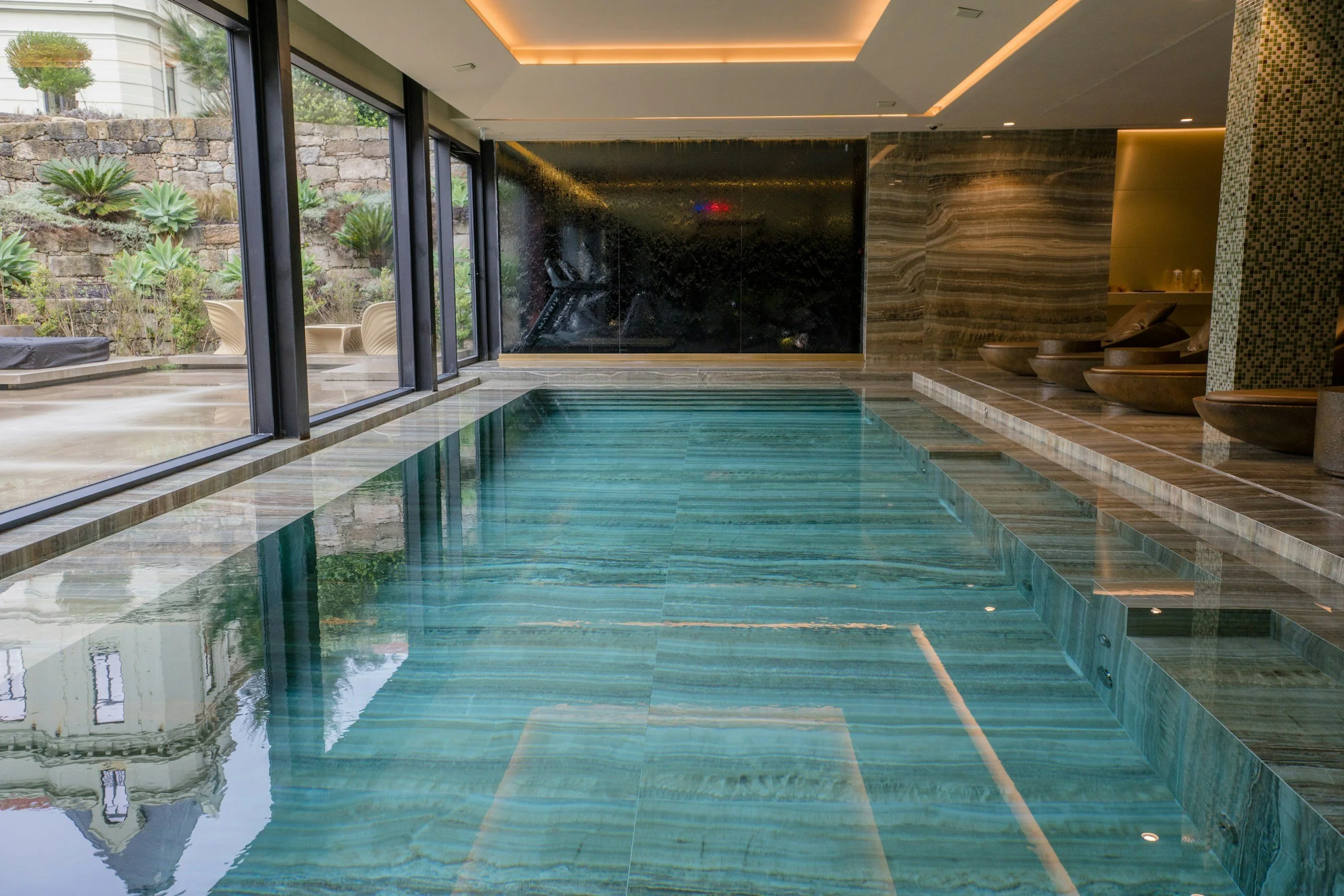
October 3-7 | Starting at $5002026 FALL WELLNESS Retreat: Yucca Valley
Book Review
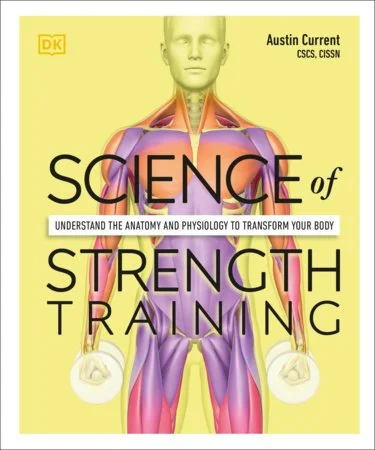
Science of Strength Training
Understading the anatomy and physiology to transform your body
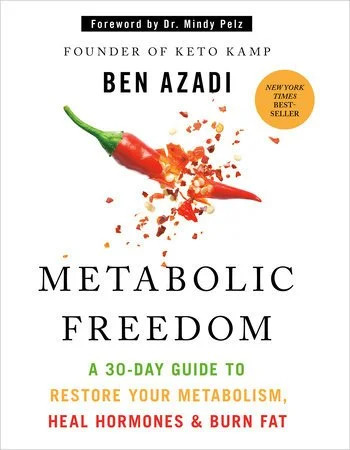
Metabolic Freedom
A 30 day guide to restore your metabolism, heal hormones and burn fat.
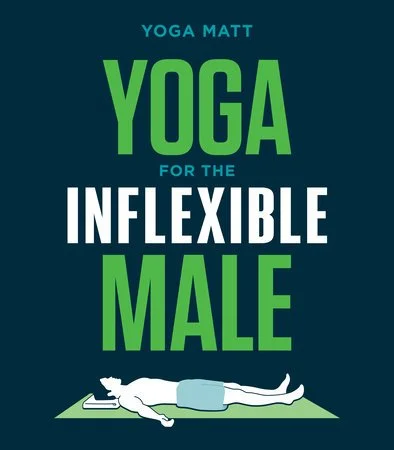
Yoga for the Inflexable Male
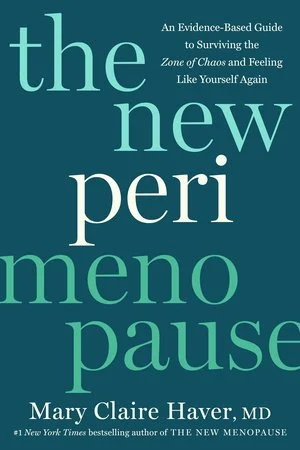
The New Peri Menopause
An evidence based guide to surviving the Zone of Choas and feeling like yourself again.
New to Wellness?


Find your midline
Cooling breath

Breathwork with Natalie
5 min · Level 1
Vinyasa with Natalie
90 min · Level 2
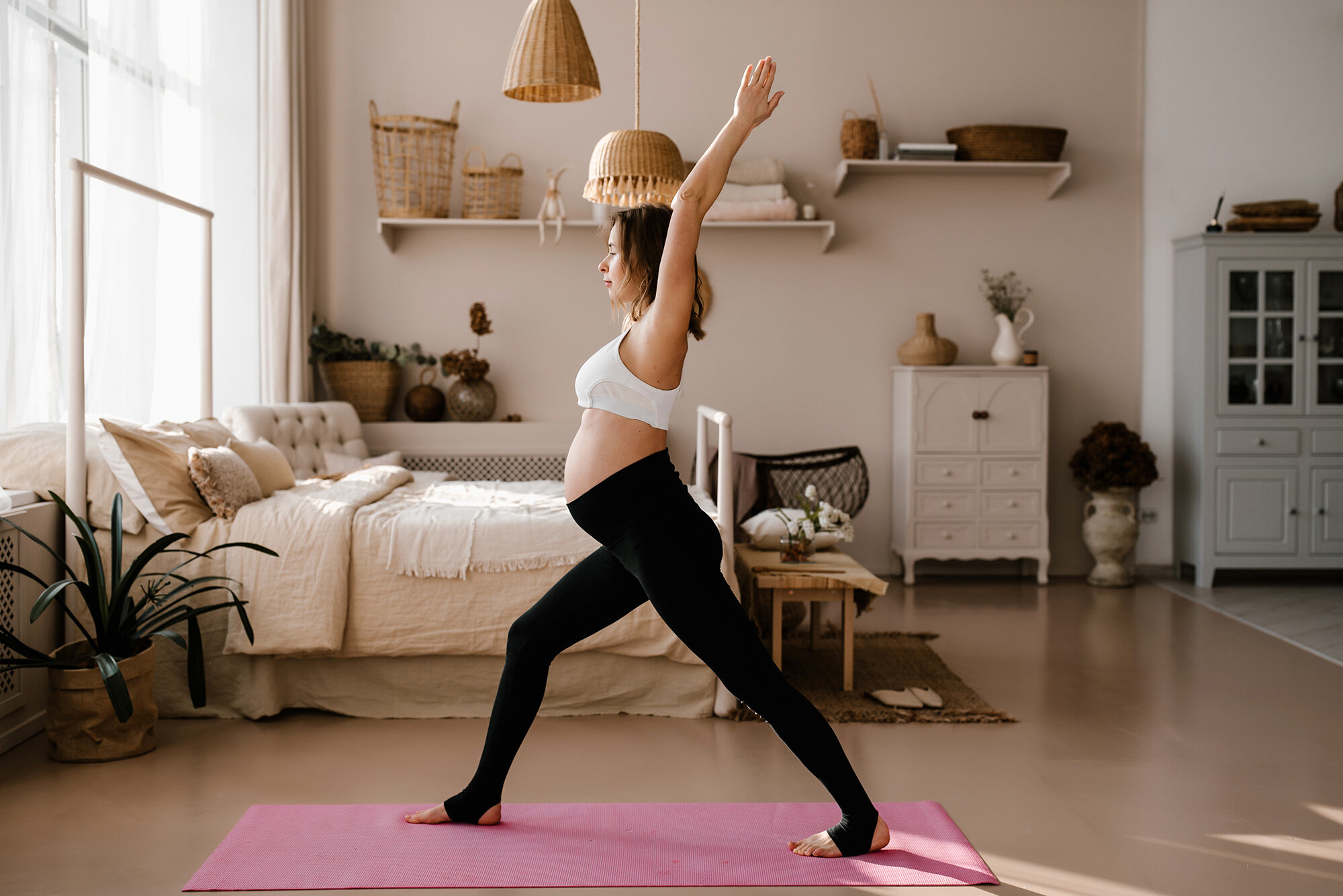
Quiet your body
Rooting down
Restorative with Audrey
20 min · Level 1
Prenatal with Jaqui
60 min · Level 2

Clearing away the fog
Sound bath with Gabbi
45 min · Level 1

Get unlimited access to each of these featured classes and more.
Unlimited Yoga & Meditation
Improve your practice at your own pace.