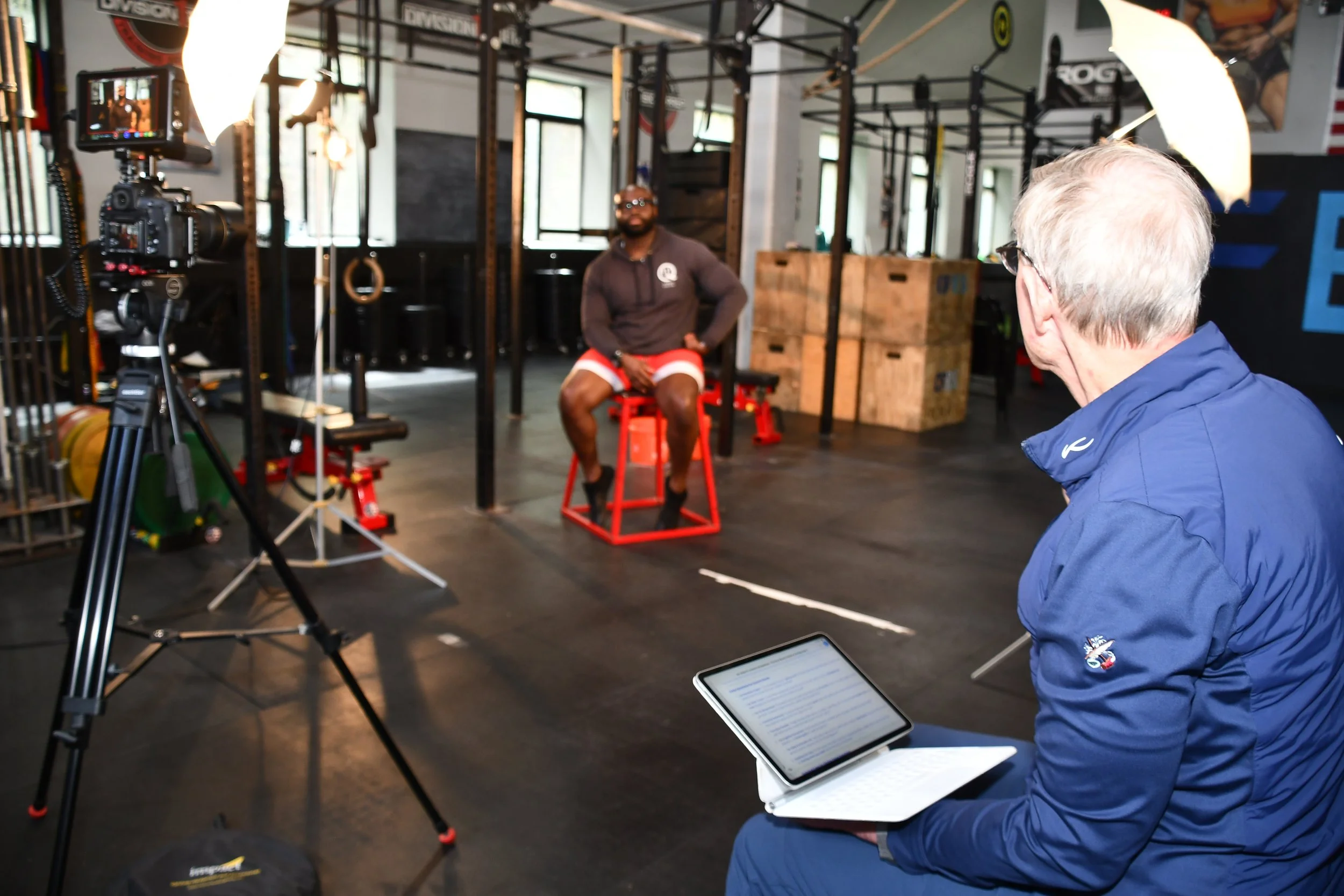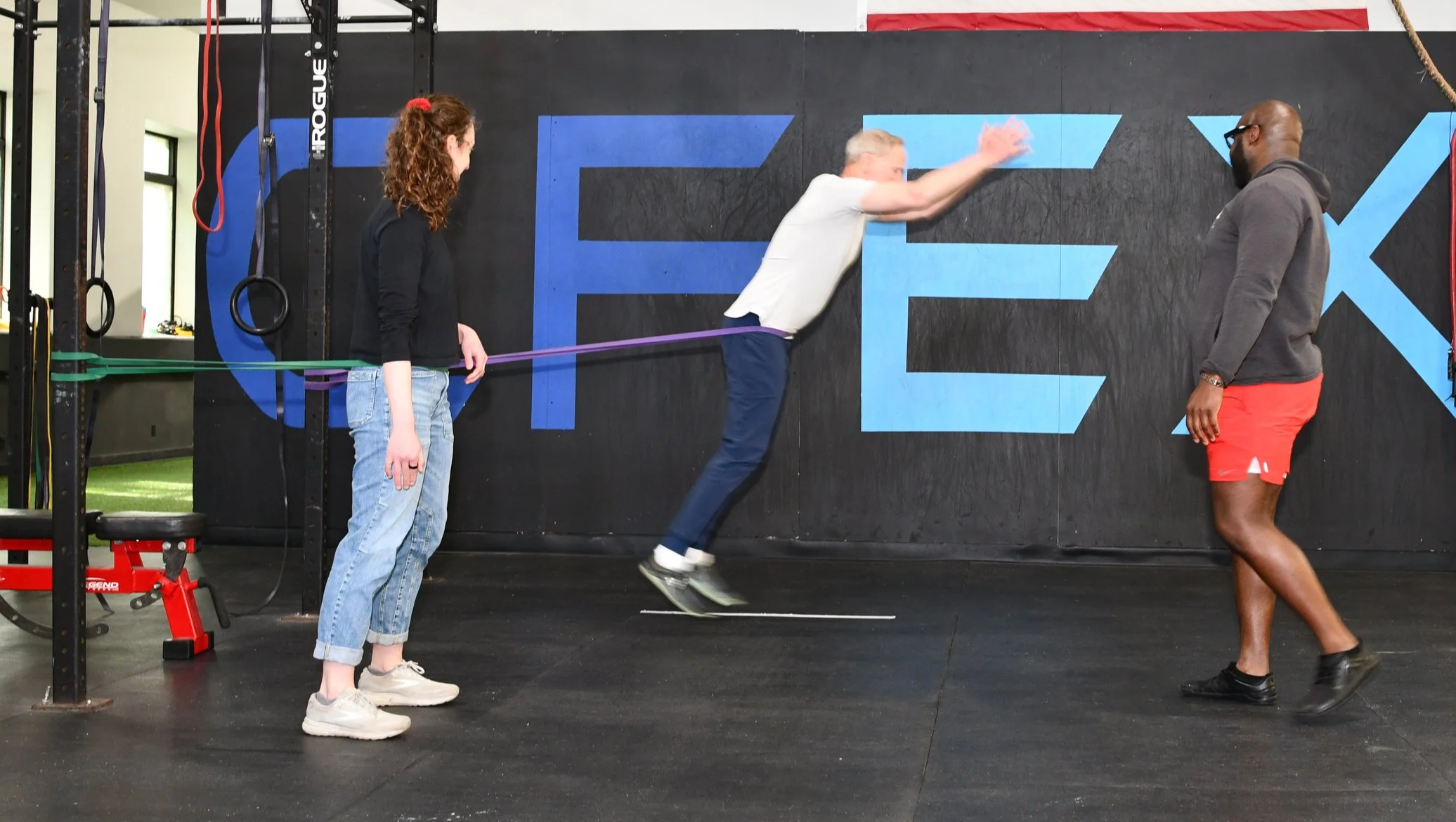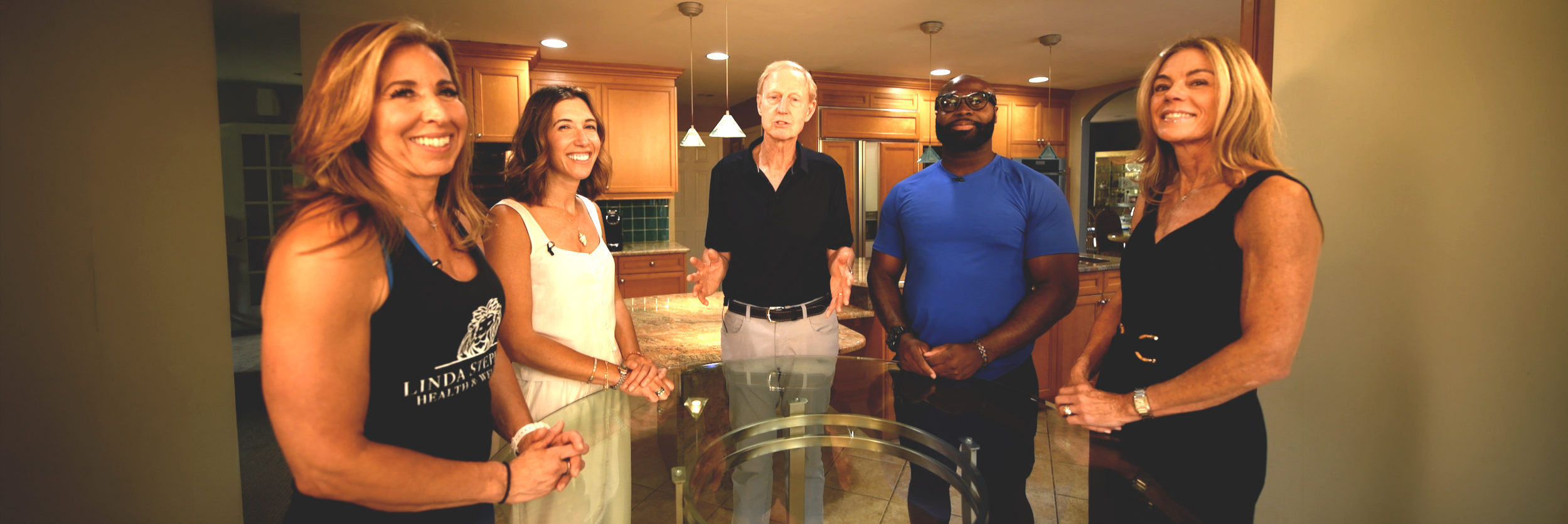
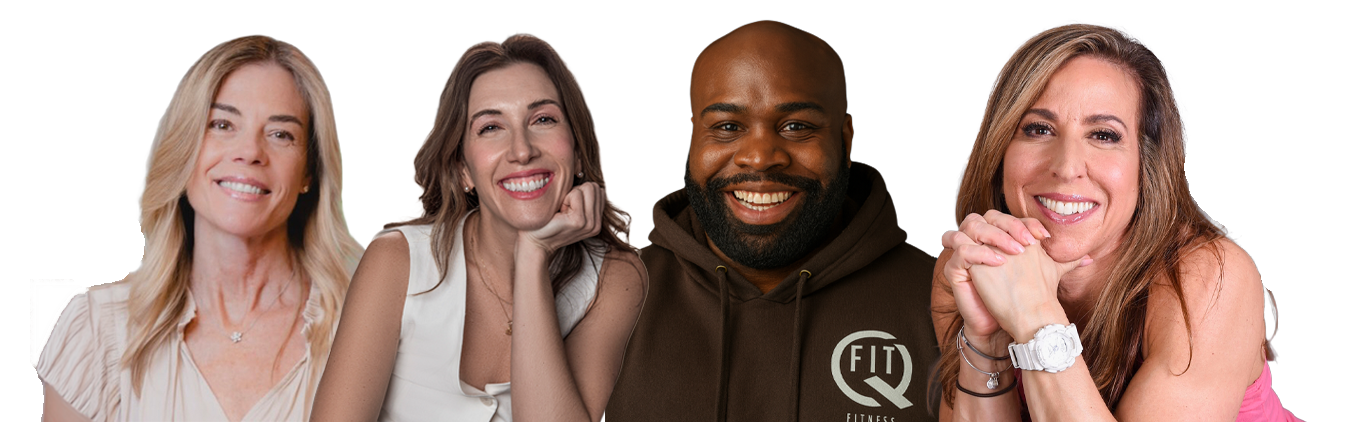
• Quavon Reede

    STRENGTH COACH

    Quavon is a seasoned personal trainer with over 10 years of experience helping clients of all ages—from young athletes to individuals in their 80s—unlock their physical potential.

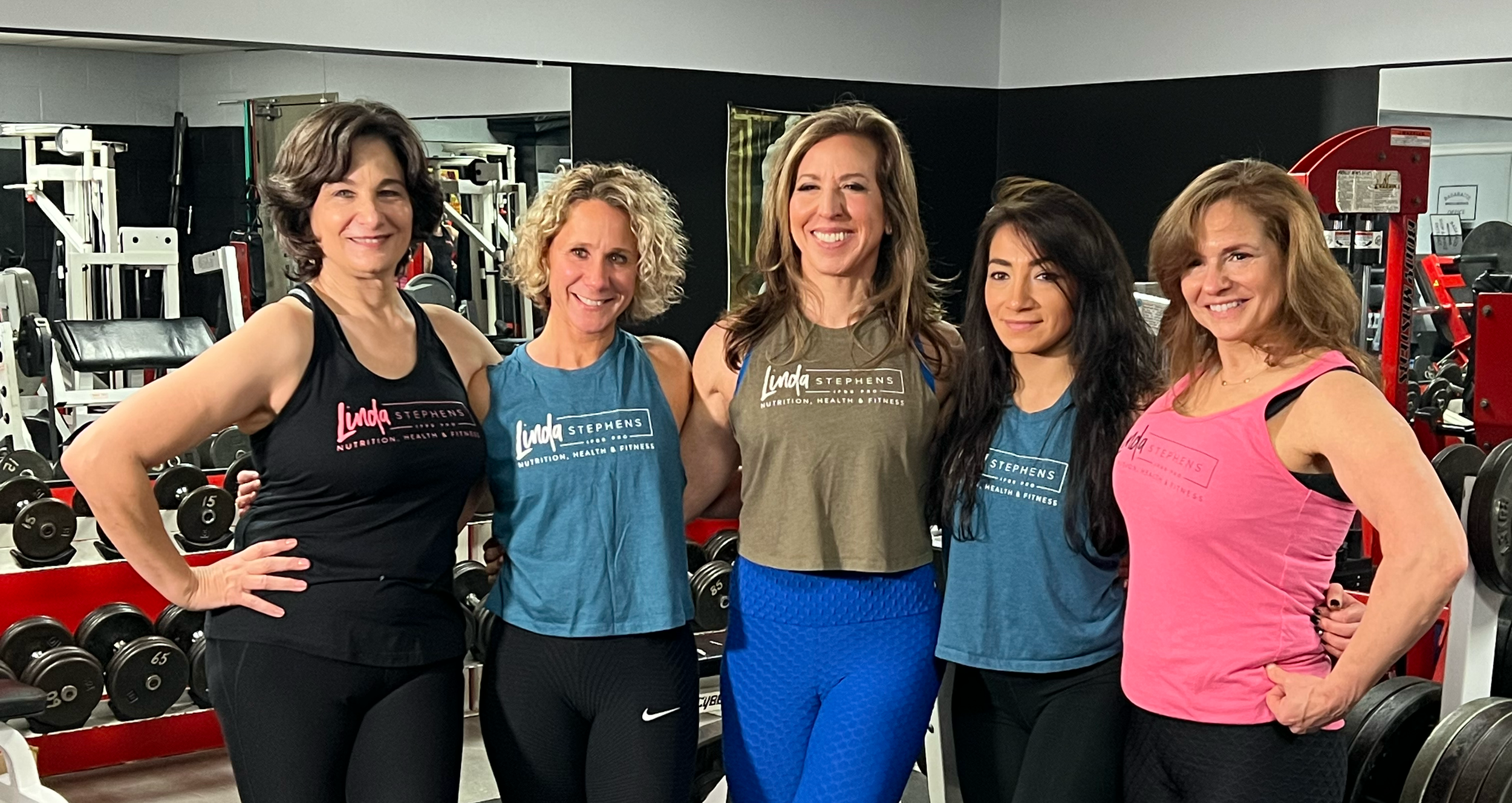
  • Linda Stephens

    WOMEN”S HEALTH SPECIALIST

    It all begins with an idea. Maybe you want to launch a business. Maybe you want to turn a hobby into something more.

  • Sarah Davis

    NUTRITIONIST

    Sarah Davis is an Integrative Nutrition Consultant and Board Certified Health and Wellness Coach. Her philosophy on health is that we nurture ourselves from the inside out when we prioritize our food and lifestyle choices. A “balanced” lifestyle brings us sustainable wellness we can enjoy for a lifetime.

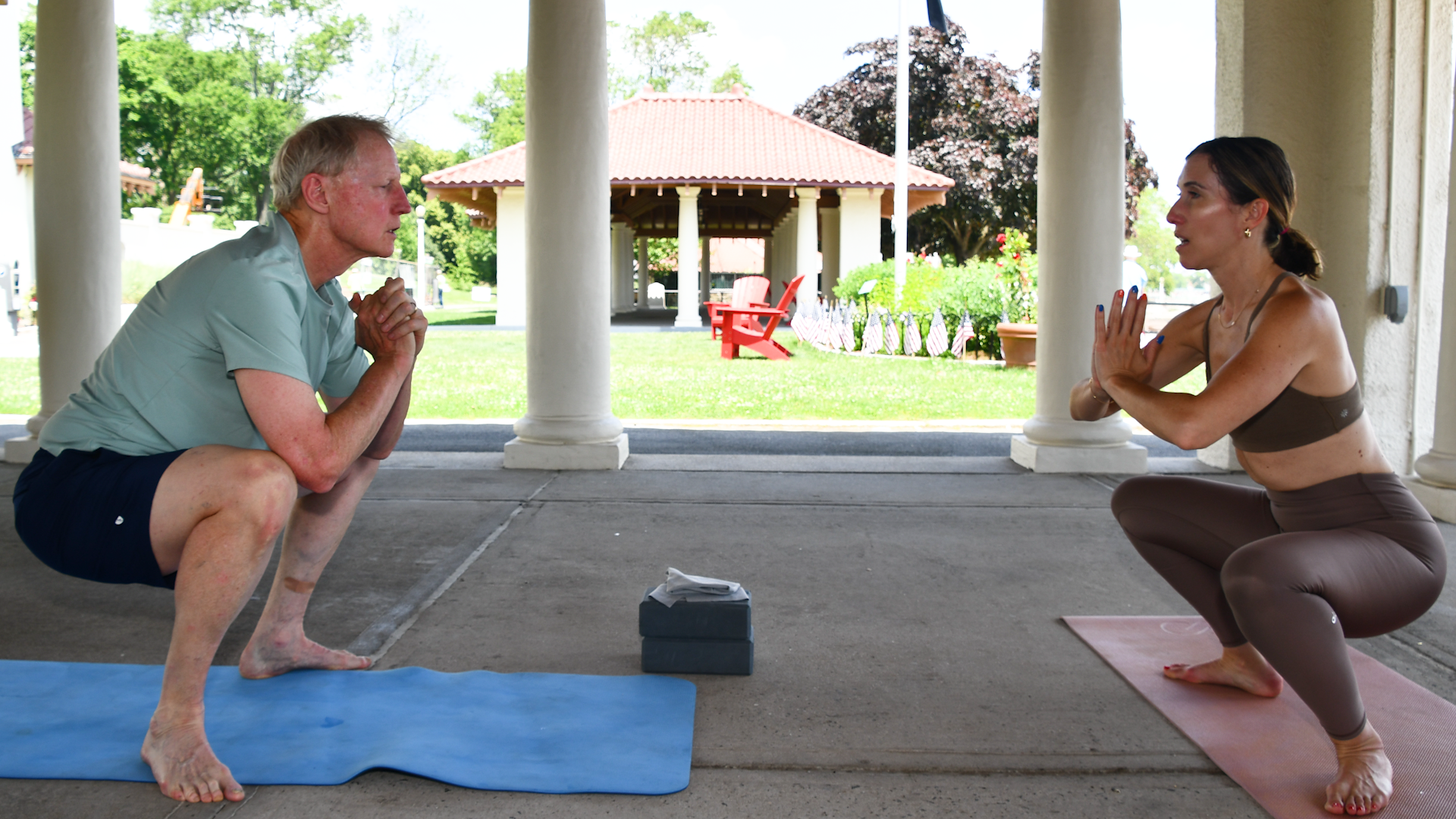
  • Ashley Napoli

    YOGA TEACHER

    Ashley is a Yoga Teacher and Embodiment Coach helping people cultivate confidence, express their truth, and lead from deep self-love. Through her coaching, courses, workshops, and retreats, Ashley guides others—especially women and women entrepreneurs—on a journey of connecting with their inner wisdom to create lives of joy and fulfillment.

JULY FEATURE:

8 Essential Body Movements


Squats

Squats are a fundamental bodyweight exercise where you bend at the hips, knees, and ankles to lower your body, then stand back up.

They strengthen the legs, glutes, hips, core, and lower back, while also improving balance, mobility, and everyday function.

A squat is a natural movement pattern that trains the body to sit, stand, lift, and move with strength and control.

Squats are not just an exercise. They are a foundation of functional strength — helping us stay powerful, mobile, and independent throughout life.

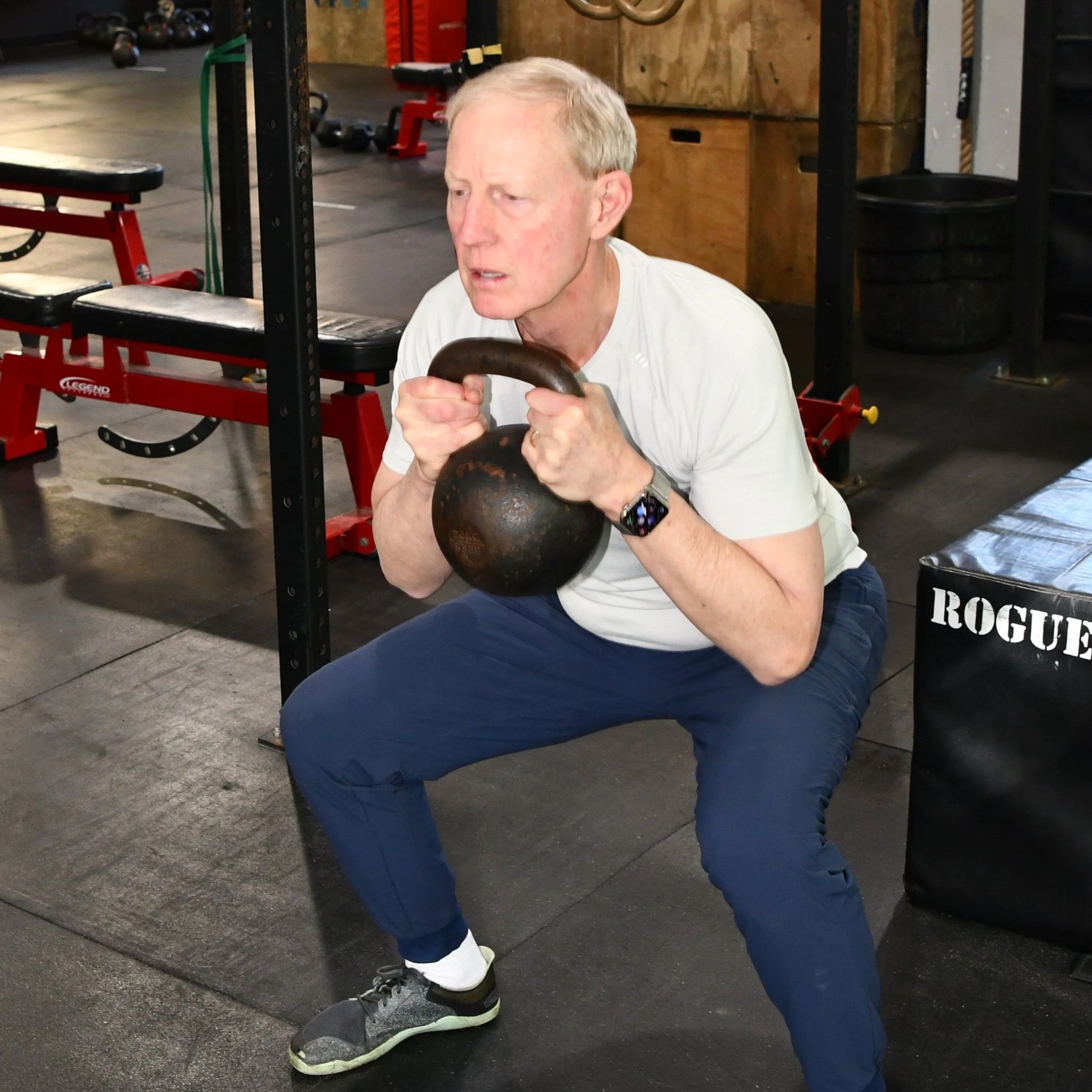
Quavon Reede: Squats

Routines:

  • Goal: build strength, mobility, balance, and confidence.

    1. Warm Up — 3 minutes

    Do each movement slowly:

    March in place — 30 seconds
    Hip circles — 30 seconds each direction
    Bodyweight good mornings — 10 reps
    Ankle rocks — 10 each side
    Gentle half squats — 10 reps

    2. Main Routine

    Chair Squat

    2 sets of 8–10 reps

    Stand in front of a chair.
    Feet about shoulder-width apart.
    Sit hips back toward the chair.
    Lightly touch the chair, then stand back up.

    Focus: control, balance, and good posture.

    Wall Squat Hold

    2 rounds of 15–20 seconds

    Lean your back against a wall.
    Slide down slightly, not too deep.
    Keep knees comfortable and chest lifted.

    Focus: leg strength and stability.

    Assisted Squat

    2 sets of 8 reps

    Hold onto a countertop, railing, or sturdy chair.
    Lower slowly into a comfortable squat.
    Use your hands lightly for balance.

    Focus: confidence and range of motion.

    3. Cool Down — 2 minutes

    Standing quad stretch — 20 seconds each side
    Calf stretch — 20 seconds each side
    Gentle forward fold — 20 seconds
    Deep breathing — 3 slow breaths

    Simple Weekly Plan

    Do this routine 2–3 times per week, with at least one rest day between session.

    A beginner squat routine teaches the body how to sit, stand, and move with strength, balance, and control — one repetition at a time.

  • Intermediate Squat Routine

    Goal: build stronger legs, hips, glutes, core stability, and better control.

    1. Warm Up — 5 minutes

    March or light jog in place — 1 minute
    Hip circles — 10 each direction
    Leg swings — 10 each side
    Bodyweight good mornings — 10 reps
    Ankle rocks — 10 each side
    Easy bodyweight squats — 10 reps

    2. Main Routine

    Bodyweight Squat

    3 sets of 12–15 reps

    Stand with feet shoulder-width apart.
    Sit hips back and down.
    Keep chest lifted and knees tracking over toes.
    Stand tall and squeeze the glutes at the top.

    Focus: smooth movement and full control.

    Goblet Squat

    3 sets of 8–12 reps

    Hold a dumbbell, kettlebell, or weight close to your chest.
    Lower into a squat with control.
    Press through the heels and mid-foot to stand.

    Focus: strength, posture, and depth.

    Split Squat

    2–3 sets of 8–10 reps each leg

    Stand in a staggered stance.
    Lower straight down by bending both knees.
    Keep your front knee stable and your torso tall.

    Focus: single-leg strength and balance.

    Squat Hold

    2 rounds of 30–45 seconds

    Lower into a comfortable squat position.
    Hold steady while keeping your chest lifted.
    Breathe slowly.

    Focus: endurance, mobility, and stability.

    3. Optional Finisher

    Squat Pulses

    2 sets of 15–20 small pulses

    Stay low in the squat and make small controlled movements up and down.

    Focus: leg endurance and control.

    4. Cool Down — 3 minutes

    Quad stretch — 30 seconds each side
    Hamstring stretch — 30 seconds each side
    Calf stretch — 30 seconds each side
    Hip flexor stretch — 30 seconds each side
    Slow breathing — 3–5 breaths

    Simple Weekly Plan

    Do this routine 2–3 times per week, leaving at least one rest day between sessions.

    An intermediate squat routine builds the strength, stability, and confidence needed to move through life with power and control.

  • Advanced Squat Routine

    Goal: build power, strength, balance, mobility, and muscular endurance.

    1. Warm Up — 6–8 minutes

    Light jog or jump rope — 1 minute
    Hip circles — 10 each direction
    Leg swings — 10 each side
    Walking lunges — 10 each leg
    Bodyweight squats — 15 reps
    Squat hold with reach — 30 seconds
    Glute bridges — 12 reps

    2. Main Routine

    Weighted Goblet Squat

    4 sets of 8–10 reps

    Hold a dumbbell or kettlebell close to your chest.
    Lower with control, keep the chest lifted, then drive up strong.

    Focus: strength, depth, and posture.

    Bulgarian Split Squat

    3 sets of 8–10 reps each leg

    Place one foot behind you on a bench or step.
    Lower slowly, keeping the front knee stable.
    Press through the front foot to rise.

    Focus: single-leg strength, balance, and control.

    Jump Squat

    3 sets of 8–12 reps

    Lower into a squat, then explode upward into a jump.
    Land softly with knees bent and chest lifted.

    Focus: power, speed, and athletic movement.

    Tempo Squat

    3 sets of 6–8 reps

    Lower for 3–5 seconds, pause briefly at the bottom, then stand strong.

    Focus: control, stability, and time under tension.

    Squat Hold

    2 rounds of 45–60 seconds

    Hold a strong squat position.
    Keep your chest up, feet grounded, and breathing steady.

    Focus: endurance and mental toughness.

    3. Finisher

    Squat Pulses + Full Squats

    Do 20 squat pulses, then immediately do 10 full squats.
    Repeat 2 rounds.

    Focus: leg endurance and burn.

    4. Cool Down — 4 minutes

    Quad stretch — 30 seconds each side
    Hamstring stretch — 30 seconds each side
    Hip flexor stretch — 30 seconds each side
    Calf stretch — 30 seconds each side
    Deep squat hold — 30 seconds
    Slow breathing — 5 breaths

    Weekly Plan

    Do this routine 2 times per week, with recovery days between sessions.

    An advanced squat routine challenges the body to move with strength, power, balance, and control — building the kind of resilience that supports lifelong performance.

Planks are a core-strengthening exercise where you hold your body in a straight, stable position, usually supported by your forearms or hands and toes.

They strengthen the abdominals, back, shoulders, hips, and glutes, while improving posture, balance, and stability.

A simple definition:

A plank is an exercise that trains the body to stay strong, steady, and aligned.

Planks are not just about holding still. They build the core strength and stability that support every movement we make.

Challenge:

Come up with a challenge?

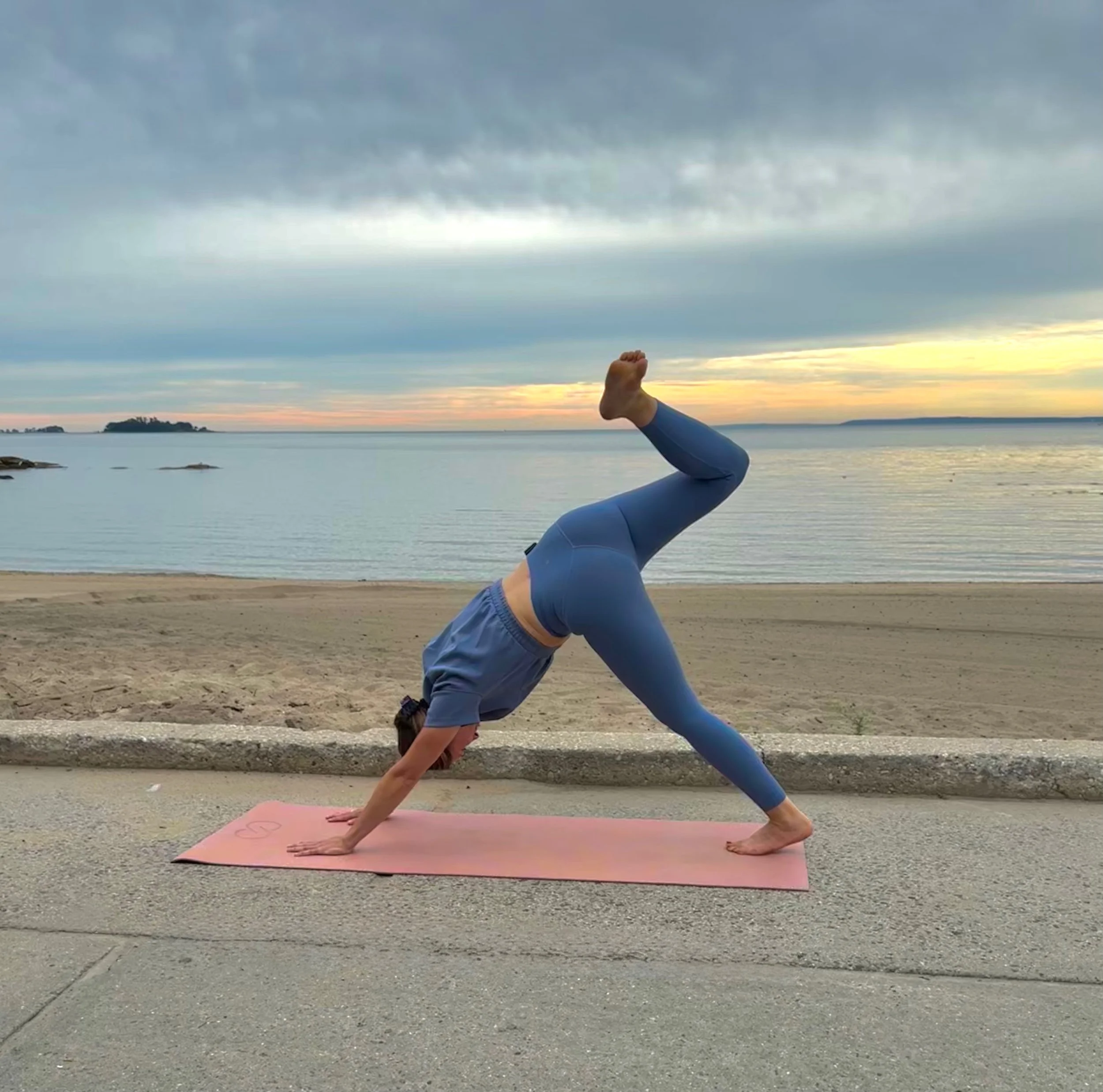
Ashley Napoli: Malasana

Ashley Napoli: Planks


Planks

Routines:

  • Do this routine 3 days per week, with a rest day between sessions.

    Warm-Up: 2–3 Minutes

    March in place, roll your shoulders, gently twist side to side, and take a few deep breaths.

    Routine

    1. Wall Plank

    Place your hands on a wall, step your feet back, and keep your body straight.

    Hold: 20–30 seconds
    Rest: 30 seconds
    Repeat: 2 times

    2. Incline Plank

    Place your hands on a sturdy bench, chair, or countertop. Keep your shoulders over your hands and your body in one straight line.

    Hold: 15–20 seconds
    Rest: 30 seconds
    Repeat: 2 times

    3. Knee Plank

    Start on the floor with your elbows under your shoulders and your knees down. Keep your hips low and your core gently tight.

    Hold: 10–20 seconds
    Rest: 30–45 seconds
    Repeat: 2 times

    4. Full Plank Practice

    Try a regular plank from your toes. Stop before your hips sag.

    Hold: 5–10 seconds
    Rest: 45 seconds
    Repeat: 2 times

    Beginner Goal

    Work toward holding a good plank for 30 seconds with proper form.

    Good form matters more than time.

    Key Form Tips

    Keep your body straight from head to heels.
    Pull your belly button gently toward your spine.
    Do not let your hips sag or lift too high.
    Breathe slowly and steadily.
    Keep your neck relaxed and eyes looking slightly ahead.

    Progression

    When this feels easy, increase each hold by 5 seconds.

    A strong plank builds core strength, posture, balance, and confidence.

  • Do this routine 3–4 days per week, with rest or lighter core work between sessions.

    Warm-Up: 3–5 Minutes

    March in place, do shoulder rolls, arm circles, gentle torso twists, and a few cat-cow stretches.

    Routine

    1. Forearm Plank

    Keep elbows under shoulders, legs straight, and body in one strong line.

    Hold: 30–45 seconds
    Rest: 30 seconds
    Repeat: 3 times

    2. High Plank

    Start in a push-up position with hands under shoulders. Keep your core tight and avoid letting your hips sag.

    Hold: 30–45 seconds
    Rest: 30 seconds
    Repeat: 3 times

    3. Side Plank

    Lie on one side with elbow under shoulder. Lift hips and keep your body straight.

    Hold: 20–30 seconds per side
    Rest: 30 seconds
    Repeat: 2 times per side

    4. Plank Shoulder Taps

    From a high plank, tap one shoulder with the opposite hand. Keep hips as still as possible.

    Reps: 10–16 total taps
    Rest: 30–45 seconds
    Repeat: 2–3 times

    5. Plank Knee Drives

    From a high plank, slowly bring one knee toward your chest, then return. Alternate sides.

    Reps: 10–12 per side
    Rest: 45 seconds
    Repeat: 2 times

    Finisher: Plank Hold

    Choose your best plank position — forearm or high plank.

    Hold: 45–60 seconds
    Repeat: 1 time

    Intermediate Goal

    Build toward holding a clean plank for 60 seconds while also controlling movement during shoulder taps and knee drives.

    Key Form Tips

    Keep your ribs pulled down and core engaged.
    Do not let your lower back sag.
    Keep shoulders strong but not tense.
    Breathe steadily throughout each hold.
    Move slowly and with control.

    Intermediate plank training builds core strength, shoulder stability, posture, and mental toughness.

  • Do this routine 3–4 days per week. Focus on control, alignment, and quality over speed.

    Warm-Up: 5 Minutes

    Do arm circles, shoulder rolls, cat-cow stretches, hip circles, torso twists, and light mountain climbers.

    Routine

    1. Forearm Plank Hold

    Keep elbows under shoulders, legs straight, glutes engaged, and body in one strong line.

    Hold: 60–90 seconds
    Rest: 30–45 seconds
    Repeat: 3 times

    2. High Plank Shoulder Taps

    From a push-up position, tap one shoulder with the opposite hand while keeping your hips still.

    Reps: 20–30 total taps
    Rest: 30–45 seconds
    Repeat: 3 times

    3. Side Plank with Hip Dips

    Start in a side plank. Lower your hips slightly, then lift them back up.

    Reps: 10–15 per side
    Rest: 30 seconds
    Repeat: 2–3 times per side

    4. Plank Knee-to-Elbow

    From a high plank, bring one knee toward the same-side elbow, then return. Alternate sides.

    Reps: 10–15 per side
    Rest: 45 seconds
    Repeat: 3 times

    5. Plank Walkouts

    Start standing, hinge forward, walk your hands out to a high plank, hold briefly, then walk back.

    Reps: 8–10
    Rest: 45–60 seconds
    Repeat: 3 times

    6. Plank Jacks

    From a high plank, jump both feet out and in while keeping your upper body steady.

    Reps: 20–30
    Rest: 45 seconds
    Repeat: 2–3 times

    Finisher: Plank Ladder

    Complete the following with short rest between each:

    30 seconds forearm plank
    30 seconds right side plank
    30 seconds left side plank
    30 seconds high plank
    30 seconds forearm plank

    Advanced Goal

    Build toward 2 minutes of clean plank control and strong movement without letting your hips sag, twist, or lift too high.

    Key Form Tips

    Keep your core tight and ribs pulled down.
    Squeeze your glutes to protect your lower back.
    Press the floor away through your shoulders.
    Move slowly and with control.
    Stop if your form breaks.

    Advanced planks build core power, shoulder stability, balance, endurance, and mental toughness.

Challenge:

Come up with a challenge?

Beginner Squat Routine

Goal: build strength, mobility, balance, and confidence.

1. Warm Up — 3 minutes

Do each movement slowly:

March in place — 30 seconds
Hip circles — 30 seconds each direction
Bodyweight good mornings — 10 reps
Ankle rocks — 10 each side
Gentle half squats — 10 reps

2. Main Routine

Chair Squat

2 sets of 8–10 reps

Stand in front of a chair.
Feet about shoulder-width apart.
Sit hips back toward the chair.
Lightly touch the chair, then stand back up.

Focus: control, balance, and good posture.

Wall Squat Hold

2 rounds of 15–20 seconds

Lean your back against a wall.
Slide down slightly, not too deep.
Keep knees comfortable and chest lifted.

Focus: leg strength and stability.

Assisted Squat

2 sets of 8 reps

Hold onto a countertop, railing, or sturdy chair.
Lower slowly into a comfortable squat.
Use your hands lightly for balance.

Focus: confidence and range of motion.

3. Cool Down — 2 minutes

Standing quad stretch — 20 seconds each side
Calf stretch — 20 seconds each side
Gentle forward fold — 20 seconds
Deep breathing — 3 slow breaths

Simple Weekly Plan

Do this routine 2–3 times per week, with at least one rest day between session.

A beginner squat routine teaches the body how to sit, stand, and move with strength, balance, and control — one repetition at a time.

Intermediate Squat Routine

Goal: build stronger legs, hips, glutes, core stability, and better control.

1. Warm Up — 5 minutes

March or light jog in place — 1 minute
Hip circles — 10 each direction
Leg swings — 10 each side
Bodyweight good mornings — 10 reps
Ankle rocks — 10 each side
Easy bodyweight squats — 10 reps

2. Main Routine

Bodyweight Squat

3 sets of 12–15 reps

Stand with feet shoulder-width apart.
Sit hips back and down.
Keep chest lifted and knees tracking over toes.
Stand tall and squeeze the glutes at the top.

Focus: smooth movement and full control.

Goblet Squat

3 sets of 8–12 reps

Hold a dumbbell, kettlebell, or weight close to your chest.
Lower into a squat with control.
Press through the heels and mid-foot to stand.

Focus: strength, posture, and depth.

Split Squat

2–3 sets of 8–10 reps each leg

Stand in a staggered stance.
Lower straight down by bending both knees.
Keep your front knee stable and your torso tall.

Focus: single-leg strength and balance.

Squat Hold

2 rounds of 30–45 seconds

Lower into a comfortable squat position.
Hold steady while keeping your chest lifted.
Breathe slowly.

Focus: endurance, mobility, and stability.

3. Optional Finisher

Squat Pulses

2 sets of 15–20 small pulses

Stay low in the squat and make small controlled movements up and down.

Focus: leg endurance and control.

4. Cool Down — 3 minutes

Quad stretch — 30 seconds each side
Hamstring stretch — 30 seconds each side
Calf stretch — 30 seconds each side
Hip flexor stretch — 30 seconds each side
Slow breathing — 3–5 breaths

Simple Weekly Plan

Do this routine 2–3 times per week, leaving at least one rest day between sessions.

An intermediate squat routine builds the strength, stability, and confidence needed to move through life with power and control.

Advanced Squat Routine

Goal: build power, strength, balance, mobility, and muscular endurance.

1. Warm Up — 6–8 minutes

Light jog or jump rope — 1 minute
Hip circles — 10 each direction
Leg swings — 10 each side
Walking lunges — 10 each leg
Bodyweight squats — 15 reps
Squat hold with reach — 30 seconds
Glute bridges — 12 reps

2. Main Routine

Weighted Goblet Squat

4 sets of 8–10 reps

Hold a dumbbell or kettlebell close to your chest.
Lower with control, keep the chest lifted, then drive up strong.

Focus: strength, depth, and posture.

Bulgarian Split Squat

3 sets of 8–10 reps each leg

Place one foot behind you on a bench or step.
Lower slowly, keeping the front knee stable.
Press through the front foot to rise.

Focus: single-leg strength, balance, and control.

Jump Squat

3 sets of 8–12 reps

Lower into a squat, then explode upward into a jump.
Land softly with knees bent and chest lifted.

Focus: power, speed, and athletic movement.

Tempo Squat

3 sets of 6–8 reps

Lower for 3–5 seconds, pause briefly at the bottom, then stand strong.

Focus: control, stability, and time under tension.

Squat Hold

2 rounds of 45–60 seconds

Hold a strong squat position.
Keep your chest up, feet grounded, and breathing steady.

Focus: endurance and mental toughness.

3. Finisher

Squat Pulses + Full Squats

Do 20 squat pulses, then immediately do 10 full squats.
Repeat 2 rounds.

Focus: leg endurance and burn.

4. Cool Down — 4 minutes

Quad stretch — 30 seconds each side
Hamstring stretch — 30 seconds each side
Hip flexor stretch — 30 seconds each side
Calf stretch — 30 seconds each side
Deep squat hold — 30 seconds
Slow breathing — 5 breaths

Weekly Plan

Do this routine 2 times per week, with recovery days between sessions.

An advanced squat routine challenges the body to move with strength, power, balance, and control — building the kind of resilience that supports lifelong performance.

FAQs

Why are these moves important?

These moves help you do everyday activities like sitting, standing, lifting, reaching, walking, climbing stairs, carrying groceries, and getting up from the floor.

They are the foundation of functional fitness.

Are these moves only for exercise?

No. These are natural human movements. Exercise simply trains them so the body performs them with more strength, control, and confidence.

What does a squat help with?

A squat helps strengthen the legs, hips, glutes, and core. It supports everyday actions like sitting down, standing up, and lifting from a lower position.

What is a hinge movement?

A hinge is bending from the hips while keeping the back controlled. It helps with picking things up, protecting the lower back, and strengthening the hamstrings and glutes.

Why are lunges useful?

Lunges improve balance, coordination, leg strength, and hip stability. They also train each side of the body independently.

What muscles do push movements use?

Push movements train the chest, shoulders, arms, and core. Examples include wall push-ups, floor push-ups, and overhead presses.

Why are pull movements important?

Pull movements strengthen the back, shoulders, arms, and posture muscles. They help balance the body and support healthy alignment.

What does rotation train?

Rotation trains the body to twist and turn safely. It supports daily movements like reaching across the body, turning while walking, and playing sports.

Why is carrying considered an exercise?

Carrying builds real-world strength. It trains the grip, shoulders, core, posture, legs, and endurance.

Examples include carrying groceries, laundry baskets, bags, or weights.

What does brace or plank mean?

Brace / plank means training the core to stabilize the spine. It helps protect the back and supports almost every movement the body makes.

Woman performing advanced yoga pose

Finding your focus

Vinyasa with Natalie
60 min ·  Level 2

Woman performing advanced yoga pose

Move towards grace

Slow an anxious mind

Vinyasa with Stefanie
90 min ·  Level 3

Meditation with Kelsey
25 min ·  Level 1

Man performs advanced yoga handstand outdoors

Unlock your flexibility

Learn to fly

Breathwork with Natalie
30 min ·  Level 1

Vinyasa with Damien
90 min ·  Level 2

Book Review

Science of Strength Training

Understading the anatomy and physiology to transform your body

Metabolic Freedom

A 30 day guide to restore your metabolism, heal hormones and burn fat.

Yoga for the Inflexable Male

The New Peri Menopause

An evidence based guide to surviving the Zone of Choas and feeling like yourself again.

Woman performs yoga stretching in open studio
Woman meditates gently with sound bath instrument

Find your midline

Cooling breath

Vinyasa with Natalie
90 min ·  Level 2

Breathwork with Natalie
5 min ·  Level 1

Woman meditating peacefully outdoors
Pregnant woman performs yoga stretching in open studio

Quiet your body

Rooting down

Restorative with Audrey
20 min ·  Level 1

Prenatal with Jaqui
60 min ·  Level 2

Abstract image of circular mirror reflecting a blue sky

Clearing away the fog

Sound bath with Gabbi
45 min · Level 1

Get unlimited access to each of these featured classes and more.

Unlimited Yoga & Meditation

Improve your practice at your own pace.

$15/mo