
The Yuka Application and AI in the Grocery Store
By Thomas Murphy
Independent product intelligence could reshape the moment of choice and eventually the market itself.
The Yuka application is an independent smartphone application for evaluating food and cosmetic products while shopping. Scan a barcode and it displays a score out of 100, a color rating, the reasons for the rating and, when available, better-rated alternatives. Yuka says food scores weigh nutritional quality at 60%, additives at 30% and organic certification at 10%. Cosmetic scores reflect assessed ingredient risk. The application turns a dense label into information a shopper can understand within seconds.
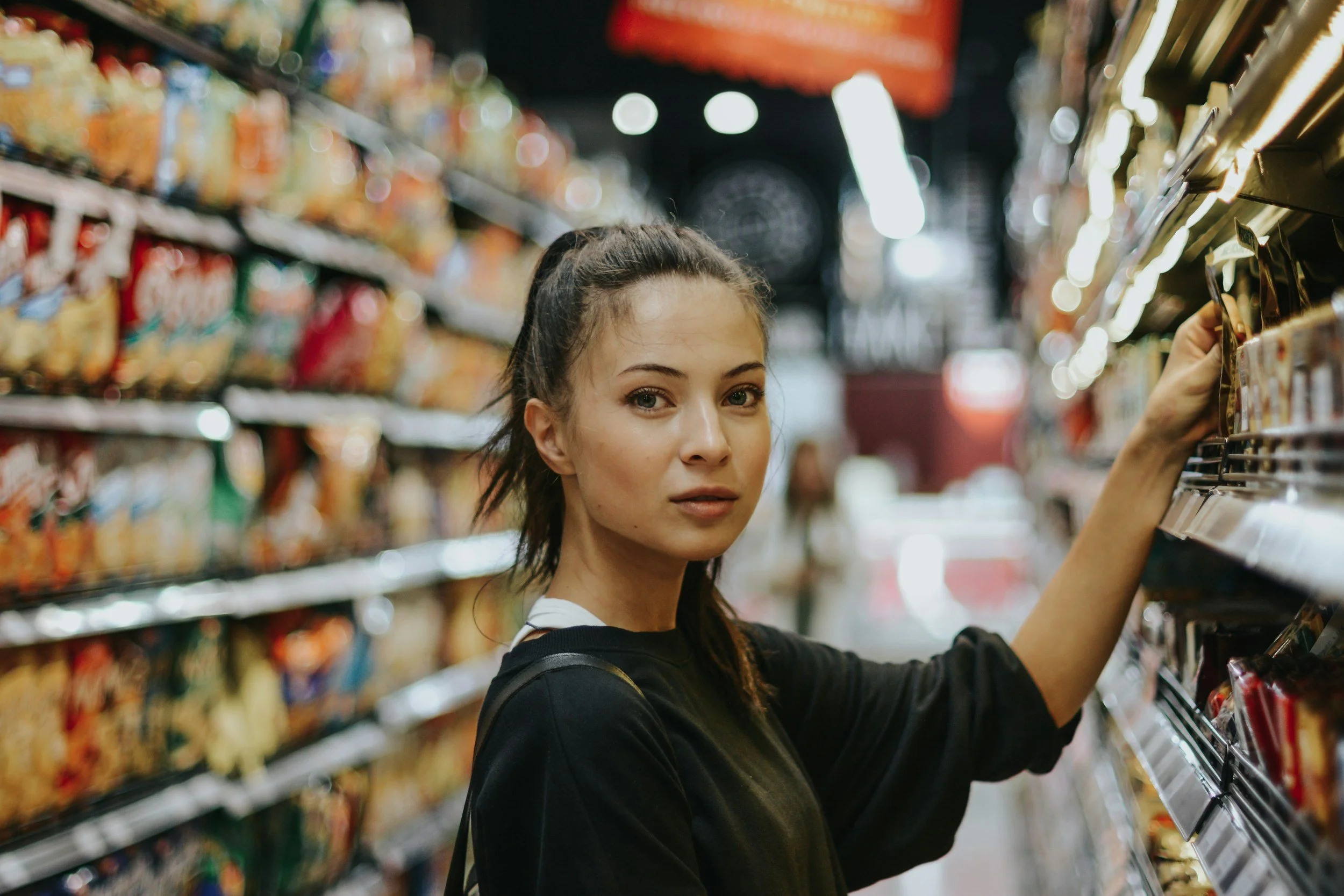
Picture the grocery aisle. A bright package promises energy, performance or immunity, while branding, shelf placement and advertising pull at habit and emotion. The shopper opens the Yuka application and receives a separate assessment at the exact moment of choice. Yuka says the application is independent, ad-free and financed without brand or manufacturer funding. A company cannot buy advertising inside it, pay to improve a rating or influence its recommended alternatives.
That independence matters when marketing creates a health halo. A sports drink may be promoted through athletes and hydration even when a large bottle carries substantial sugar and may include colors or other additives. The Yuka application applies stricter sugar and calorie thresholds to beverages and brings the product's composition back into view. Its rating is not medical advice or a prescription for every circumstance. It is a fast, consistent counterweight to packaging, promotion, health-washing and commercially shaped messaging.
Now extend the Yuka application into the near future. An AI shopping companion could combine an independent rating with a shopper's allergies, health goals, budget and preferences; compare products in seconds; explain tradeoffs; and point toward fresh, minimally processed or better-rated alternatives. Unlike an advertisement, an AI agent need not respond to nostalgia, urgency or brand loyalty. Used responsibly, it could provide a calm, non-emotional layer between persuasion and purchase while leaving the final decision with the consumer.
If millions of consumers shop this way, the effect could move beyond individual carts. Sales may shift from heavily marketed ultra-processed and hyperpalatable products toward fresh foods and products with stronger independent scores. Large brands would face a choice: reformulate and earn trust or risk losing shelf momentum. Yuka reports that 92% of surveyed users say they buy fewer ultra-processed foods after using the application. This self-reported figure does not prove causation, but it suggests a possible feedback loop: ratings influence purchases, purchases influence retailers, and retailers influence what manufacturers make.
The larger possibility: independent information at the point of purchase can turn the grocery aisle from a marketing contest into a more informed health decision.
Use the score as a starting point. Read the details, compare alternatives and consider your own health needs, allergies, budget and dietary goals. Product-scoring methods differ, and no app replaces professional medical guidance.